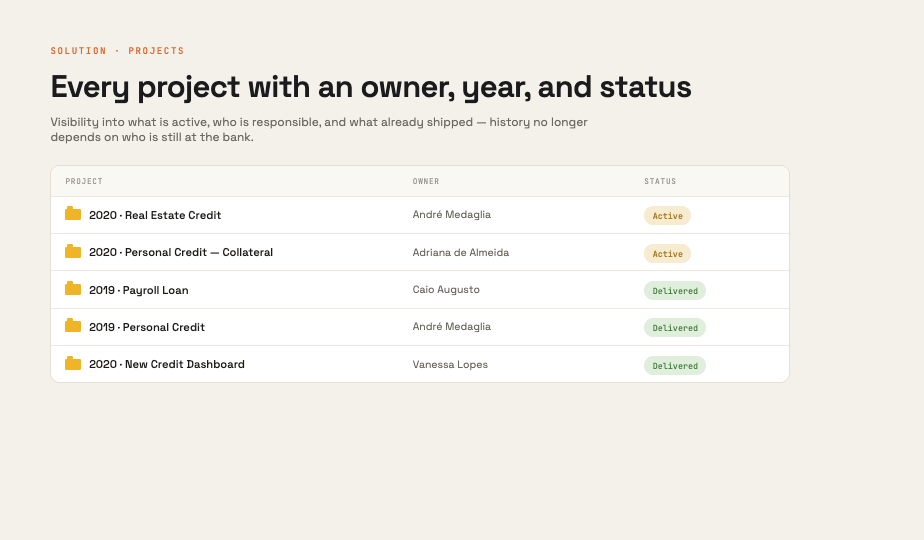
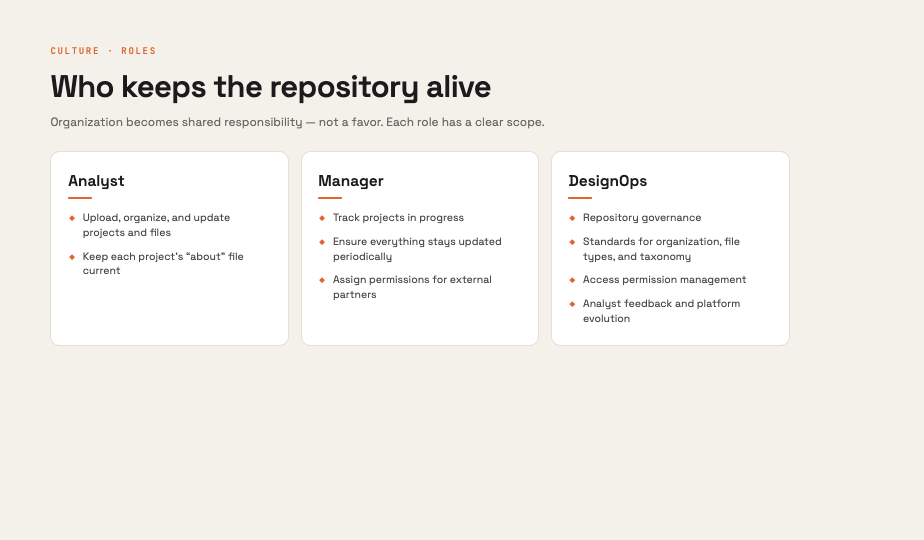
adriana.de almeida
MADE IN BRAZIL
Available for new projects · Amsterdam

Product designer crafting design systems & DesignOps at scale.

Scalable, accessible, human-centered frameworks that help teams ship better, faster, and more consistent digital products. 7+ years at Itaú Unibanco & Loft across 22+ brands in Latin America.
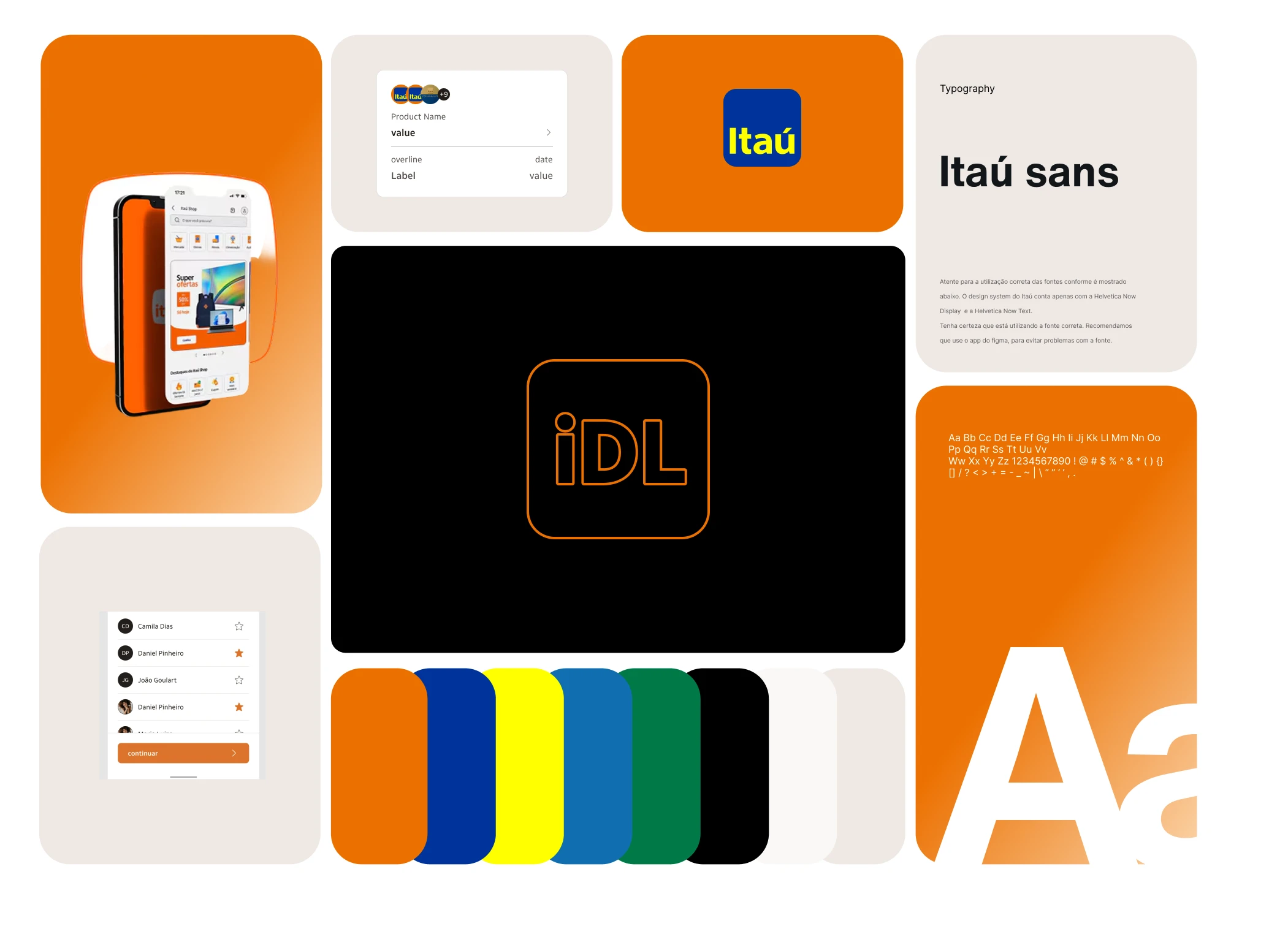
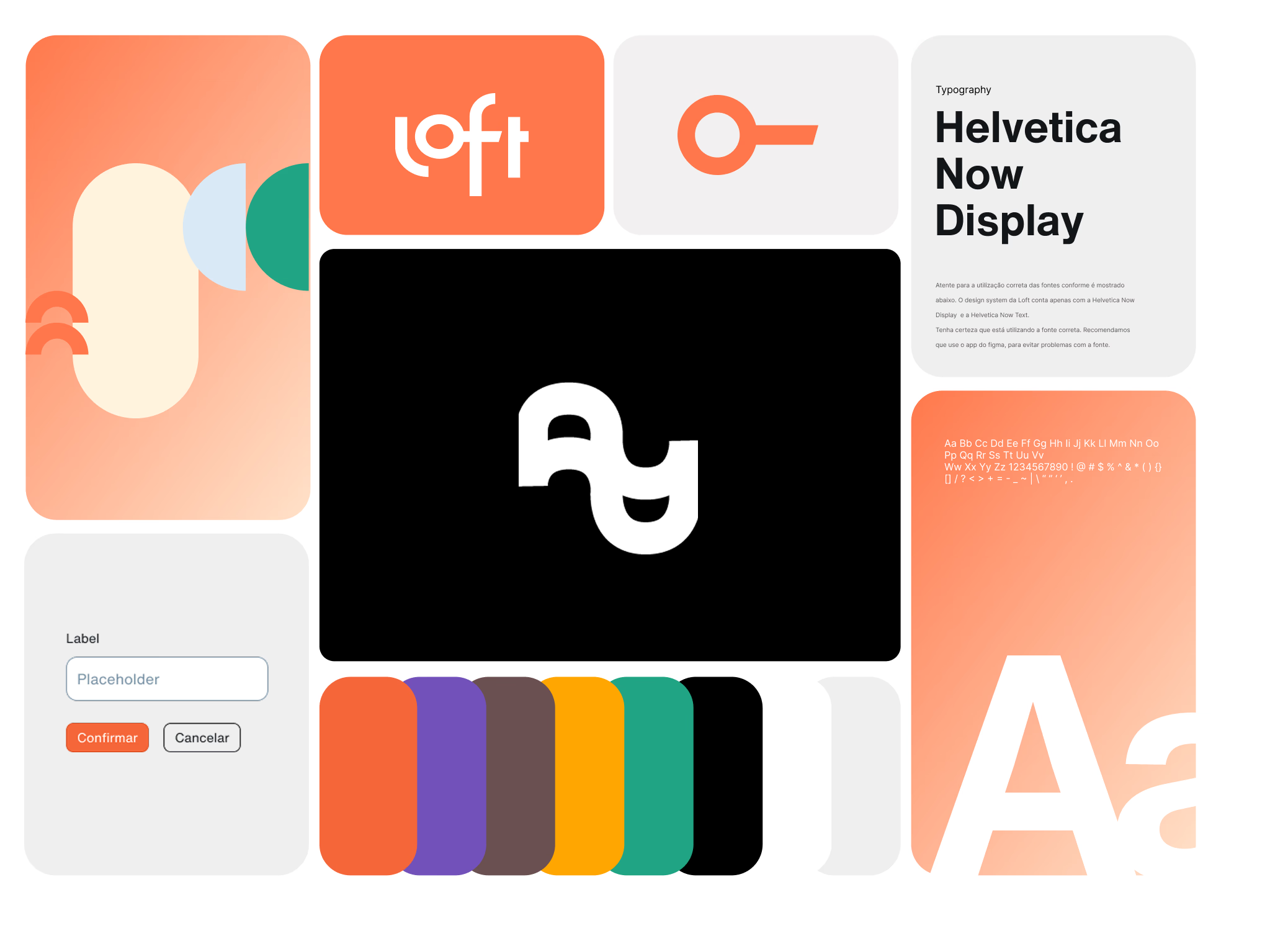
R$9.7M
Saved
22+
Brands
70+
Components
View selected work → About me
Design Tokens·Multi-Brand Systems·WCAG Accessibility·Contribution Models·DesignOps·Documentation·Design Tokens·Multi-Brand Systems·WCAG Accessibility·Contribution Models·DesignOps·Documentation·

Featured projects

See all (08) →
Itaú Design Language
[ Itaú Unibanco ] 01
Itaú Design Language
A white-label system enabling consistency and scale across 22+ brands.
Design System White Label Accessibility
Copan: Design Strategy
[ Loft ] 02
Copan: Design Strategy
Loft’s WCAG-compliant system, R$9.7M+ saved, 85% adoption.
Design System Strategy Digital Design
Copan: Component Method
[ Loft ] 03
Copan: Component Method
A 3-stage method for 72+ accessible components, 60% faster delivery.
Design System Web Development Brand Identity
DesignOps: Sketch → Figma
[ Itaú Unibanco ] 04
DesignOps: Sketch → Figma
Migrating ~450 designers with research, training & a structured rollout.
Design Operations Change Management Workshop Facilitation
PDI: Developing People at Scale
[ Itaú Unibanco ] 05
PDI: Developing People at Scale
An IDP program guiding the growth of around 400 people.
People Development Design Ops Career Development
Rede: Payment Anticipation
[ Rede ] 06
Rede: Payment Anticipation
Simplifying a complex financial flow, 76 errors down to 6 categories.
Digital Design UX Research Conversion Design
Trusted by teams at
Itaú UnibancoLoftRede+ 22 brands across LATAM

Writing

All articles →
UX Is Folding Shirts Too
5 min read · Jul 1, 2025
UX Is Folding Shirts Too: What a Year Behind the Counter Taught Me About Systems and Care.
Read article →

What colleagues say

“I worked with Dri for nearly four years on the Design System and Ops team at Latin America’s largest bank. She supported over 400 designers with deep technical knowledge, empathy, and clarity. Together, we led a high-impact tool migration and managed component libraries, documentation, and access. Dri is the perfect balance between human-centered thinking and technical excellence — a rare and valuable asset to any Ops team.”
Vinicius Perussi
Vinicius Perussi
Senior Design · Itaú
“I highly recommend Adriana for her product design expertise, especially in design systems. At Loft, she collaborated closely with our dev team and stood out for her honesty, clarity, and constructive feedback. Her transparent communication helped us improve processes and deliver better outcomes. A pleasure to work with!”
André Seiji
André Seiji
Software Engineer · Frontend, Design Systems · Loft
“Adriana is one of the most skilled and reliable professionals I’ve worked with. She combines strong design fundamentals, tool mastery, and high-quality deliveries with a positive, collaborative attitude. She’s generous with her knowledge, open to feedback, and a true team player. Any team would be lucky to have her.”
Marcelo Meinberg
Marcelo Meinberg
Squad Leader / Product Manager · Loft
Selected work

Systems, operations & products built to scale.

Eight projects across design systems, DesignOps, and digital product, at Itaú Unibanco, Loft, and Rede.

All Design System DesignOps Digital Design
01
Itaú Design Language
A white-label system enabling consistency and scale across 22+ brands.
Design System White Label Accessibility
02
Copan: Design Strategy
Loft’s WCAG-compliant system, R$9.7M+ saved, 85% adoption.
Design System Strategy Digital Design
03
Copan: Component Method
A 3-stage method for 72+ accessible components, 60% faster delivery.
Design System Web Development Brand Identity
04
DesignOps: Sketch → Figma
Migrating ~450 designers with research, training & a structured rollout.
Design Operations Change Management Workshop Facilitation
05
PDI: Developing People at Scale
An IDP program guiding the growth of around 400 people.
People Development Design Ops Career Development
06
Rede: Payment Anticipation
Simplifying a complex financial flow, 76 errors down to 6 categories.
Digital Design UX Research Conversion Design
07
Design Education at Loft
Empowering designers to become agents of creative change.
Design Ops Digital Design
08
Loft: Bridging Design & Dev
A lean, scalable handoff framework that reduced friction at scale.
UI / UX Design Design Ops
About me

I build the systems that let design teams move fast, without breaking consistency.

I'm Adriana, a product designer with a focus on design systems and DesignOps. I create scalable, accessible, and human-centered frameworks that help teams deliver better, faster, and more consistent digital products.

Over 7+ years I've scaled design infrastructure at Itaú Unibanco and Loft, supporting 460+ designers, building white-label systems across 22+ brands, and leading org-wide tooling migrations. I care equally about the craft of a component and the health of the people shipping it.

Today I'm based in Amsterdam, open to senior product design and DesignOps roles where systems thinking and care for people both matter.
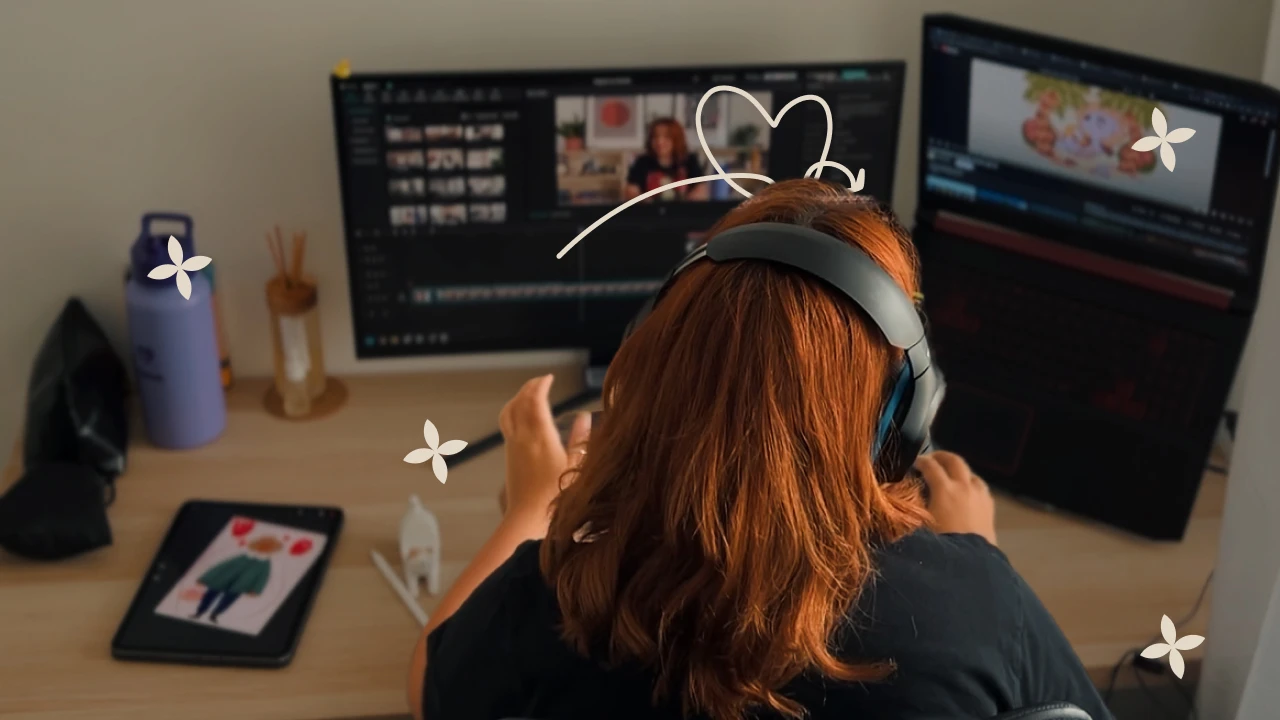
Adriana at her desk
What I do
Design Systems
White-label architectures, design tokens, multi-brand theming, and accessible component libraries built to scale.
DesignOps
Tooling migrations, contribution models, documentation standards, and rituals that keep large design orgs aligned.
People & Enablement
Education programs, IDPs, and workshops that grow designers into agents of creative change.
Experience
Loft
Product Designer, Design Systems & DesignOps
Led Copan, a WCAG-compliant system serving 5+ brands, R$9.7M+ saved, 85% adoption, 72+ components, design education & handoff frameworks.
Proptech · BR
Itaú Unibanco
Product Designer, Design System & Ops
~4 years on the Itaú Design Language white-label system, the Sketch to Figma migration (~450 designers), and the PDI people-development program (~400 people). Within the Itaú group, I also led the payment-anticipation portal redesign for Rede, simplifying 76 system errors into 6 clear categories for small business owners.
Banking · LATAM

Let's build something solid.

Get in touch →
Writing

Notes on systems, care & the craft of scaling design.

UX Is Folding Shirts Too
Featured · 5 min read · Jul 1, 2025
UX Is Folding Shirts Too: What a Year Behind the Counter Taught Me About Systems and Care.

On how a year of retail work reshaped the way I think about systems, repetition, and looking after the people who use what we build.

Read article →
Coming soon
Building contribution models that designers actually use
Coming soon
Accessibility as a default, not a checklist
Contact

Let's create together

Open to senior product design & DesignOps roles, and to collaborations on design systems. Based in Amsterdam, working across time zones.

Send a message
← All work
Design System White Label Accessibility

Itaú Design Language

A white-label design system built to serve Latin America’s largest bank, enabling consistency, accessibility, and scale across 22+ brands, 460+ designers, and 5,000+ developers.

Client
Itaú Unibanco
Industry
Financial Services
Role
Design Systems & Ops
Duration
2020-2022
Itaú Design Language
22+
Brands
460+
Designers
5,000+
Developers
Overview

Itaú Unibanco was operating with fragmented design systems across its brands and segments: multiple libraries, inconsistent patterns, and duplicated work slowing down product teams. As part of a broader strategy to consolidate services into a unified super app, the bank needed a single, flexible design system that could serve all brands without losing their individual identities.

The IDL became the main infrastructure pillar enabling the bank’s most significant digital transformation. I was responsible for the systems and operations layer: component architecture, Figma library structure, token system design, WCAG accessibility compliance, contribution model design, designer onboarding, tooling governance, and the internal education program (Edux Itaú).

This was a large cross-functional initiative. My scope was the design infrastructure: the foundation that made the system usable, adoptable, and maintainable at scale.

01 / Challenge

The core challenge was building a system flexible enough to serve radically different brands, from the mass-market Itaú app to the premium Personnalité experience, while maintaining a single source of truth for design and development.
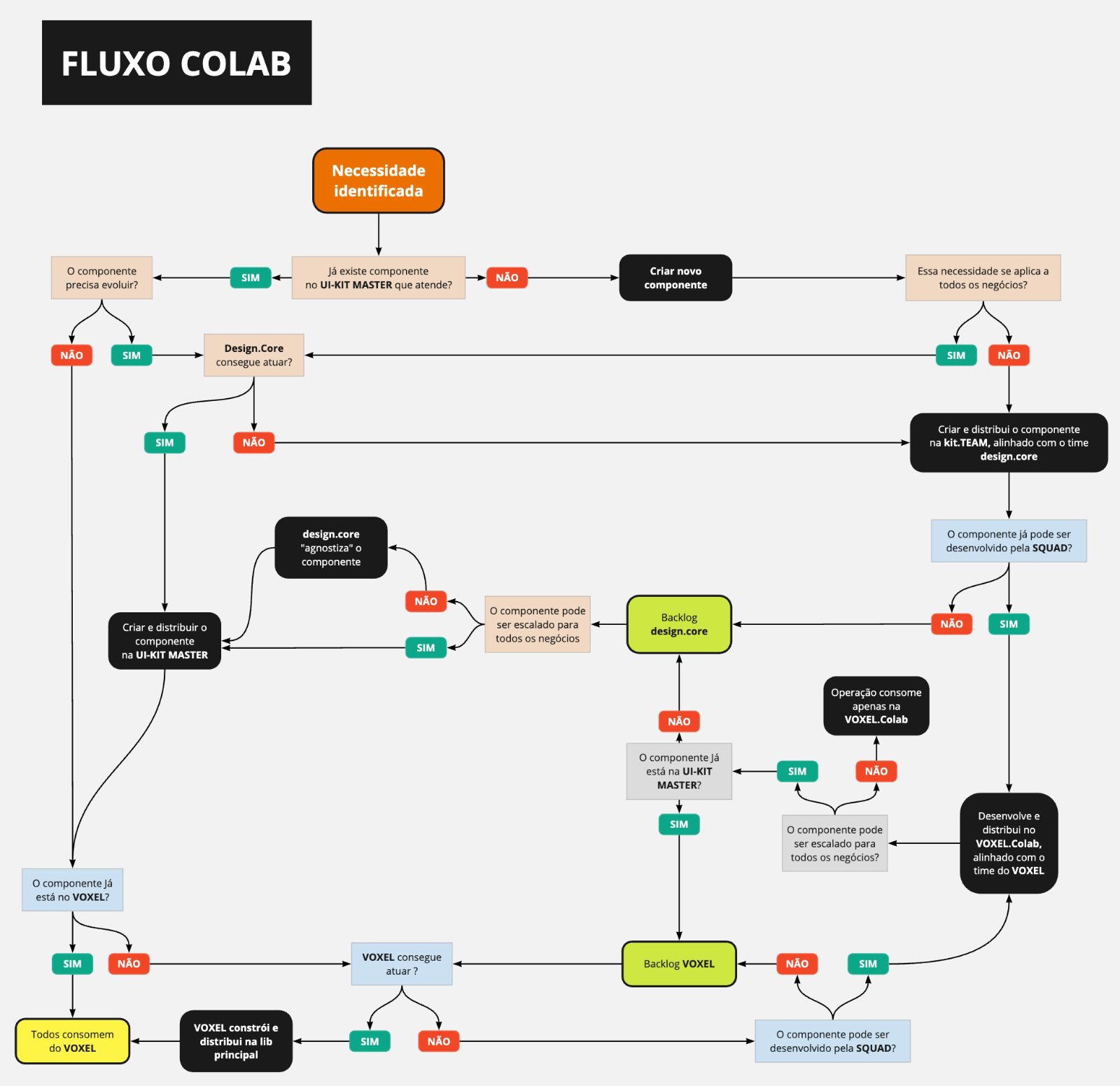
Eliminating overlapping work across product teams
Aligning design and development across 4 technology stacks
Supporting accessibility standards at enterprise scale
Building a contribution model teams would actually adopt
Reducing time to launch across platforms, brands, and channels
02 / Solution

The approach centered on three interconnected layers.

Token Architecture
Primitive tokens defined globally. Semantic tokens applied per brand for color, typography, spacing, borders, and shadow, giving brand teams autonomy without fragmenting the system.
Component Library
A white-label core library mirrored into separate brand libraries. 72 components and 2,000+ variations, built with atomic design methodology and fully documented with variants, edge cases, and usage guidelines in Figma. Every component meets WCAG AA criteria.
Governance & Operations
A contribution model with three pathways: correction, evolution, and new component creation. A portal with documentation, roadmaps, and version tracking. Quarterly usage metrics, onboarding programs, and Edux Itaú, the internal education program for design system adoption across designers, developers, and product managers.
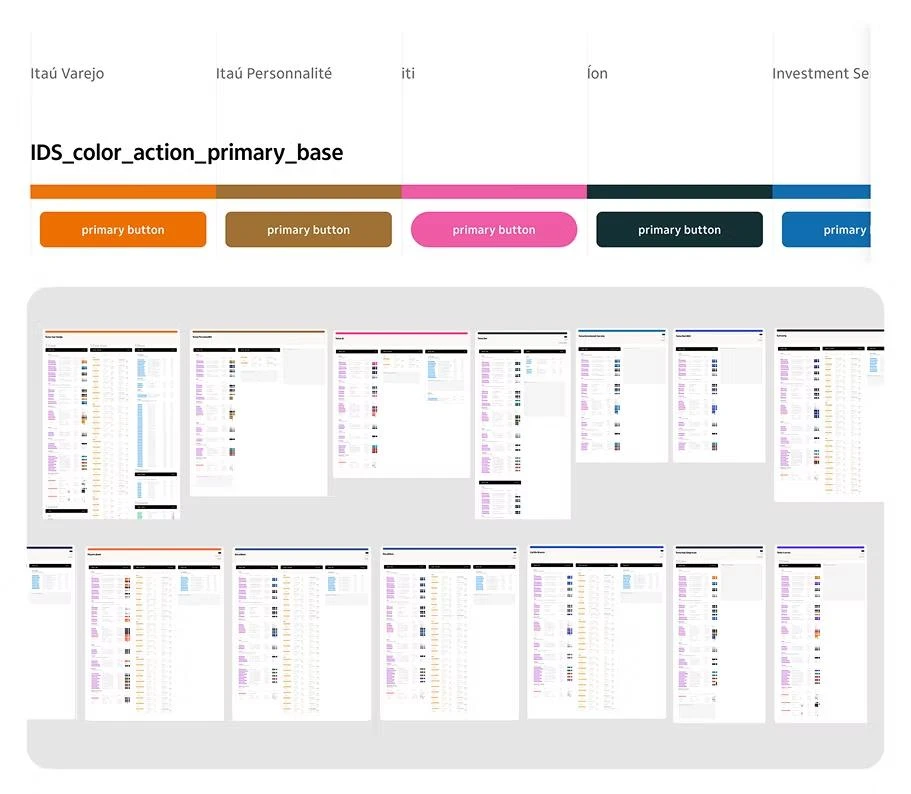
Semantic tokens resolve to primitive tokens, then to raw values.
One semantic token, themed per brand across the portfolio.
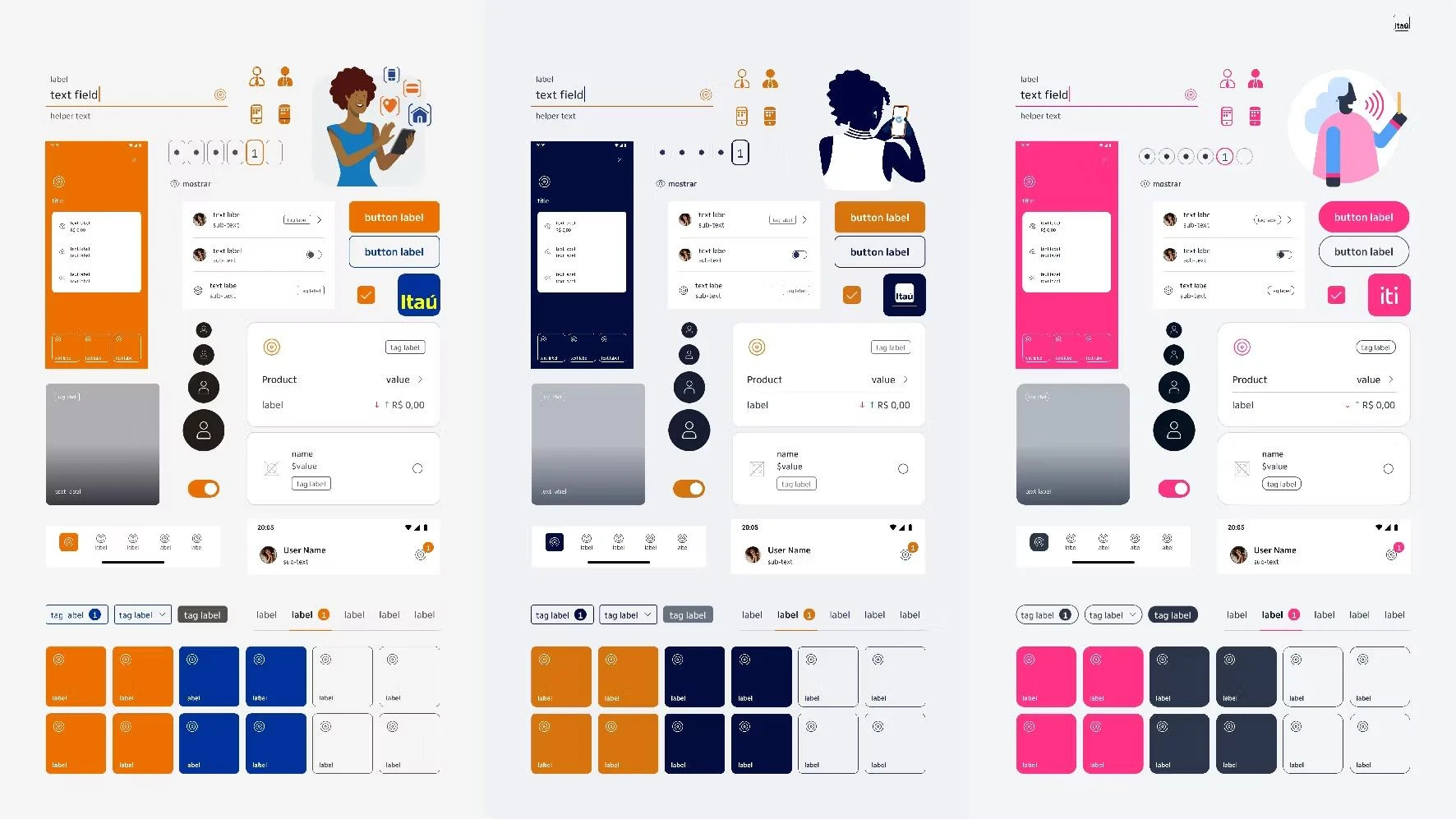
The same components, re-themed across brands and segments.
Challenges along the way

Teams resistant to adopting new components were addressed through mandatory training via Edux Itaú and quarterly usage metrics. Contribution bottlenecks were reduced by structuring a 3-pathway model that minimized dependency on the core team. The token architecture was designed to be framework-agnostic to support 4 different tech stacks.

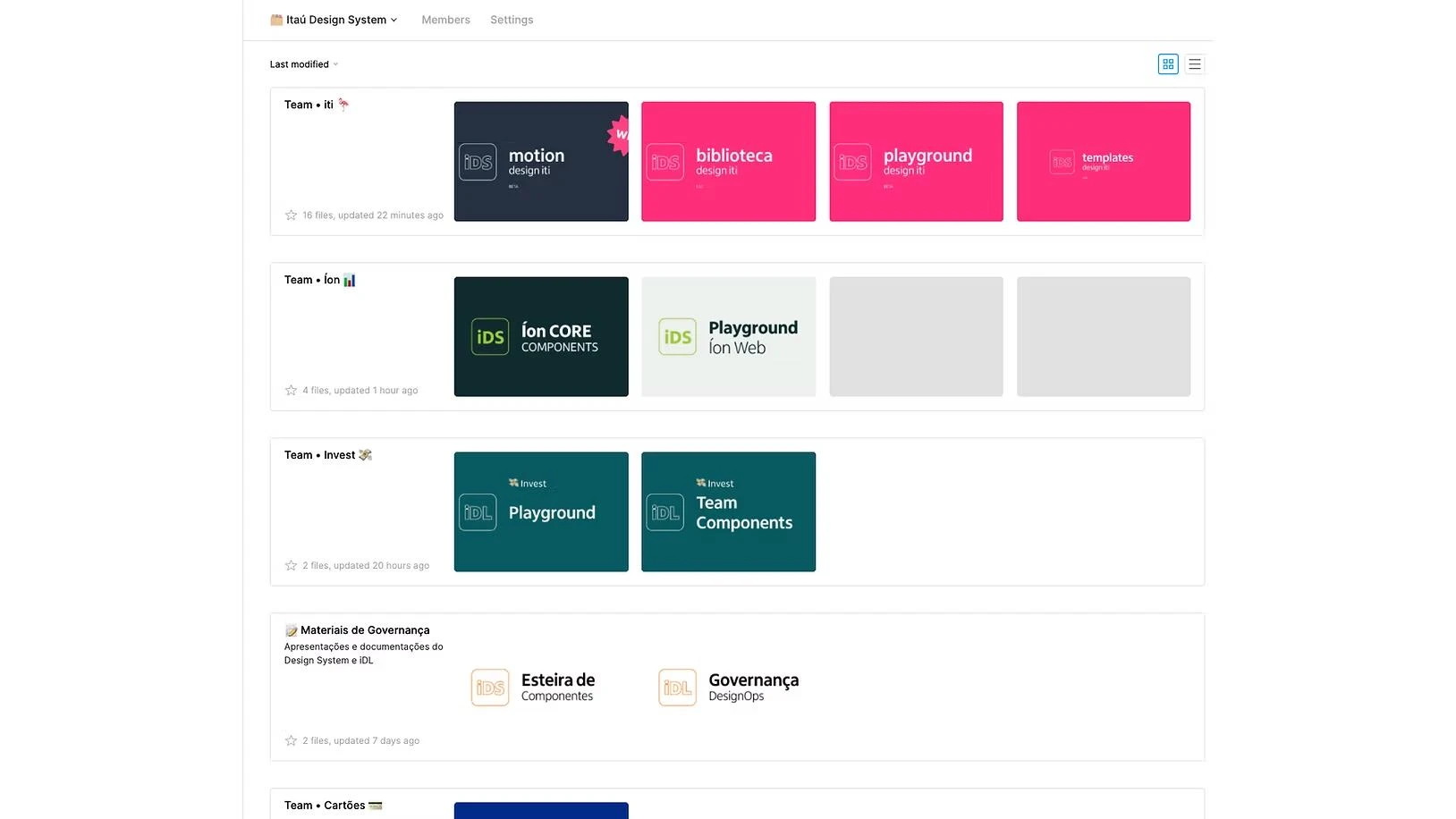
White-label core mirrored into per-brand libraries and team files in Figma.
03 / Key learnings
01
Systems thinking means governance, not just components
A design system is a product that enables other products. It is not about component libraries, it is about governance, adoption culture, and collaboration infrastructure.
02
Brand flexibility requires structural separation
Separating global tokens from brand tokens gave teams velocity at the core and autonomy at the edges.
03
Documentation and training are part of the system
Each squad adopts at its own pace. Easy-to-find documentation, onboarding guides, and personal support, both sync and async, are what drive real adoption.
04
Monitoring matters as much as training
Recurring touchpoints and designated focal points per tribe were essential to sustain usage and communicate updates over time.
Workshops, the iDL ambassadors network, and Edux training drove adoption.
04 / Result
Scale
22+ brands and segments served
460+ designers benefited
5,000+ front-end developers across 4 stacks
6,000+ product managers benefited
72 components, 2,000+ variations, 329 icons, 500+ illustrations
Impact & recognition
~60% improvement in design-to-code efficiency
iF Design Award View ↗
Brazilian Design Award 2023, Silver
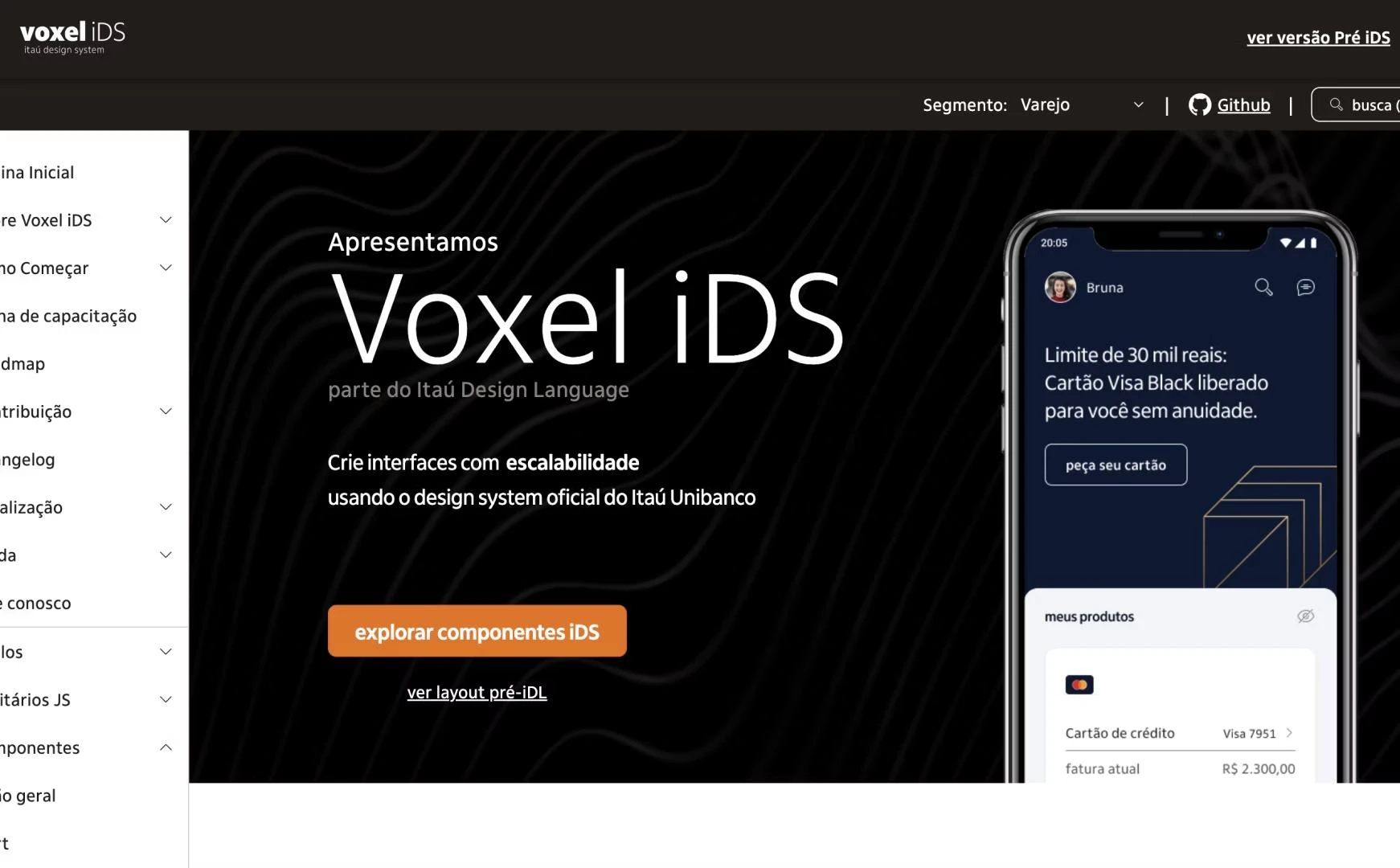
Voxel iDS, the public component site for the Itaú Design Language.

The IDL taught me that the hardest part of building a design system isn’t the components, it’s changing how people work. The invisible infrastructure is what makes the visible product possible.

Next project
Copan: Design Strategy
← All work
Design System Strategy Digital Design

Copan: Design Strategy

End-to-end creation and implementation of Copan, a scalable, WCAG-compliant design system serving 5+ brands at Loft, reducing rework and silos, leading to R$9.7M+ in savings, 85% adoption, and a cultural shift in how Loft designed and scaled products.

Client
Loft
Industry
Real Estate
Role
Design System Lead, DesignOps
Duration
1 year
Copan: Design Strategy
R$9.7M+
Saved / year
85%
Adoption
40%
Faster delivery
Overview

Loft, a $1B+ proptech and one of Brazil’s fastest-growing startups, scaled its design team from 2 to 40 designers and 42 front-end developers in under two years. As founding Design System Specialist, later leading DesignOps practices, I worked across research, strategy, component architecture, developer collaboration, documentation, and education, turning the design system into a true driver of transformation.

01 / Challenge

Loft is a $1B+ proptech, serving 7,000+ real estate partners and processing $400M+ in transactions. In under two years, the design team grew from 2 to 40 designers, collaborating with 42 front-end developers across multiple product verticals. That momentum also introduced significant challenges.
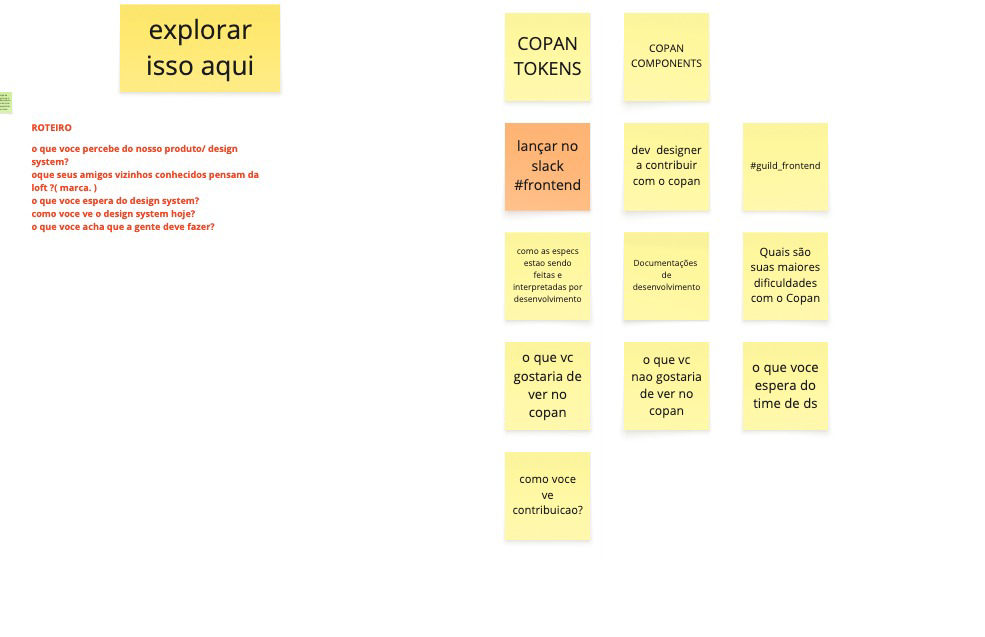
Inconsistent user experiences and duplicated work across teams
An outdated component library, poorly adopted and often bypassed
No structured process for contribution, collaboration, or shared ownership
Inefficiencies projected to cost over R$9.7M in 2021 alone
02 / Solution

I led the system’s creation around six strategic pillars.
1 — Business case & buy-in
I quantified the financial impact of design inconsistency and rework, projected potential savings, and secured leadership approval to invest in a dedicated design system initiative.
2 — Diagnostic research
I interviewed 15+ designers and developers, mapped usage patterns and workflows, and uncovered key blockers: outdated components, lack of flexibility, and unclear governance.
3 — Architecture & scalable components
I designed 72+ accessible components supported by a robust token system enabling 300+ combinations, each with built-in documentation, complexity-based sprint planning, and WCAG compliance from the start.
4 — Multi-brand expansion
As Loft acquired CredPago, Vista, and others, I evolved Copan into a white-label system. Semantic and brand-specific tokens enabled fast onboarding of new brands without duplicating design or code.
5 — Developer collaboration & tooling
I co-created a handoff protocol integrated with Figma, GitHub, Storybook, and token automation, streamlining implementation and reducing miscommunication between design and engineering.
6 — Education & adoption
I led training sessions, established a component request pipeline, and partnered with early adopters to showcase value, making documentation and contributions part of daily workflows, not an extra task.
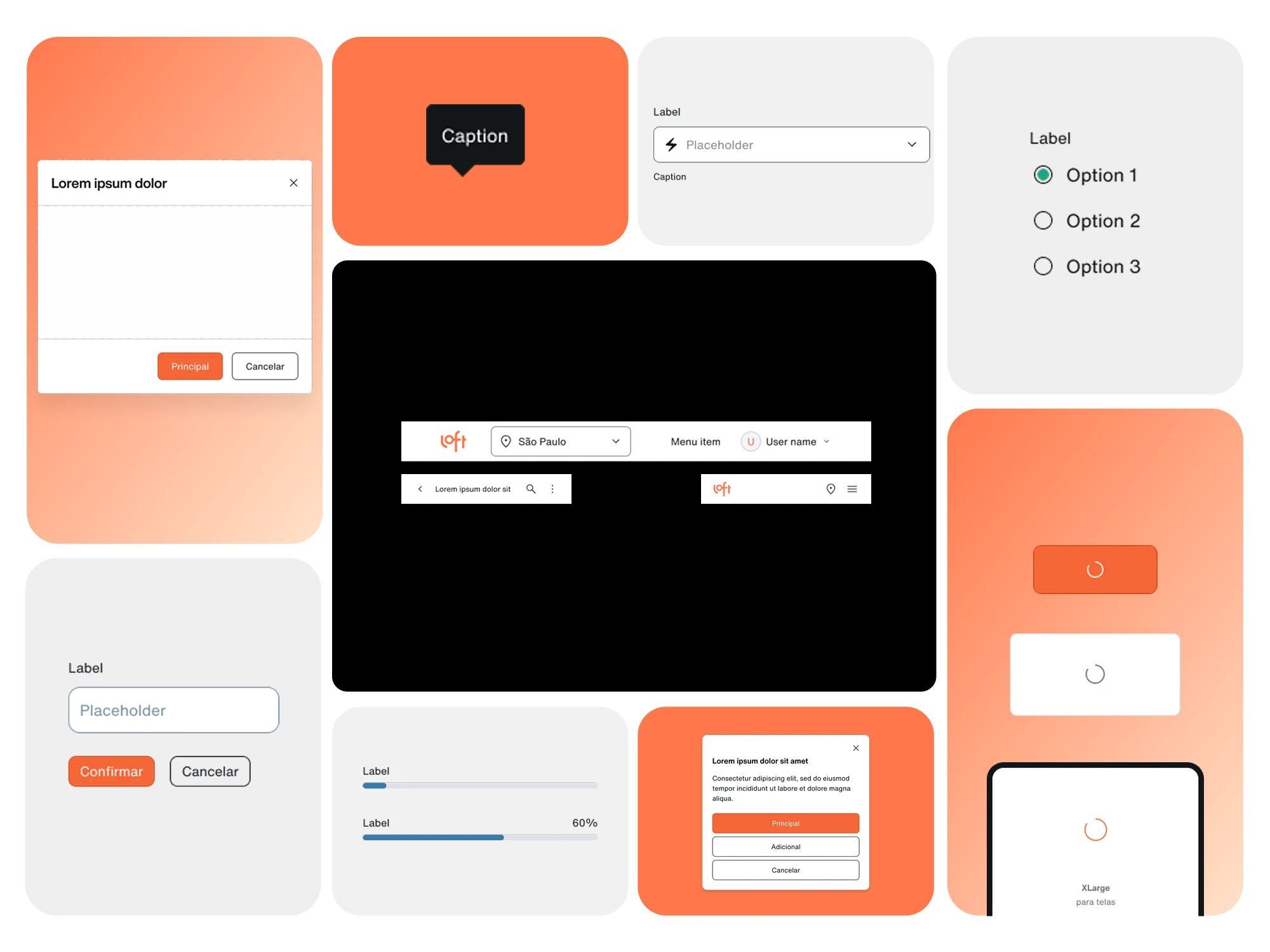
72+ accessible components, supported by a token system enabling 300+ combinations, each with built-in documentation and WCAG compliance.
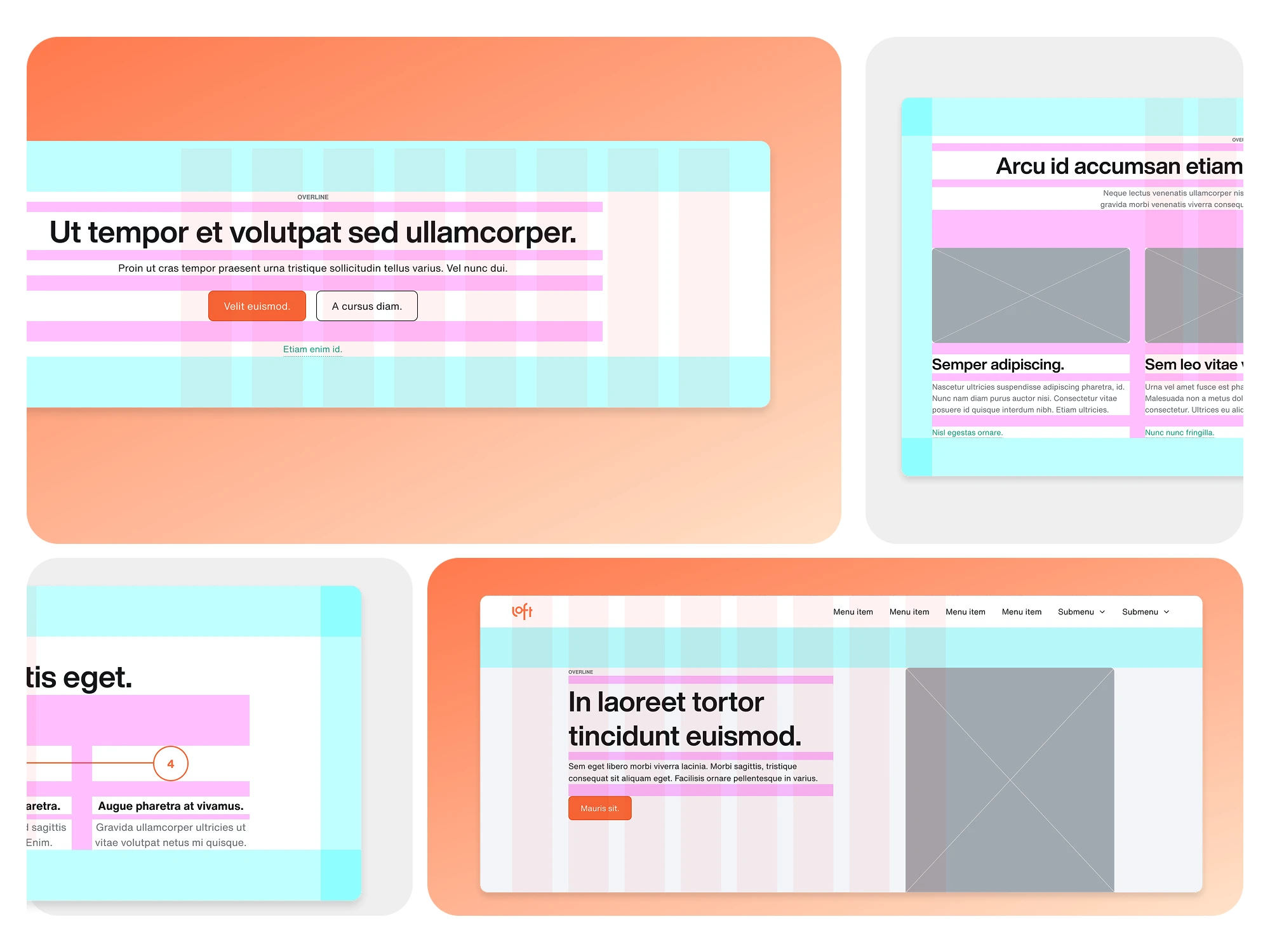
Responsive layout grids and page templates standardized across the system for consistent composition.
Challenges along the way

Copan was as much a cultural shift as a technical one: adoption only worked when both moved together, and scaling across brands meant constantly balancing flexibility against a strict token structure.
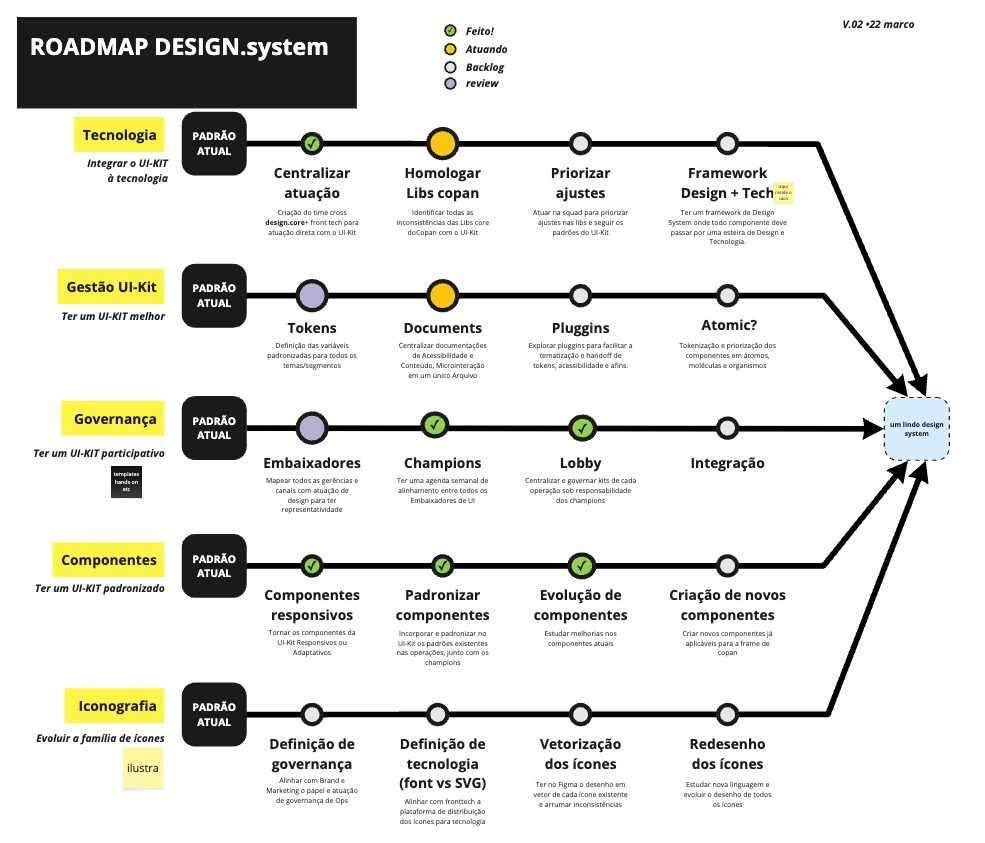
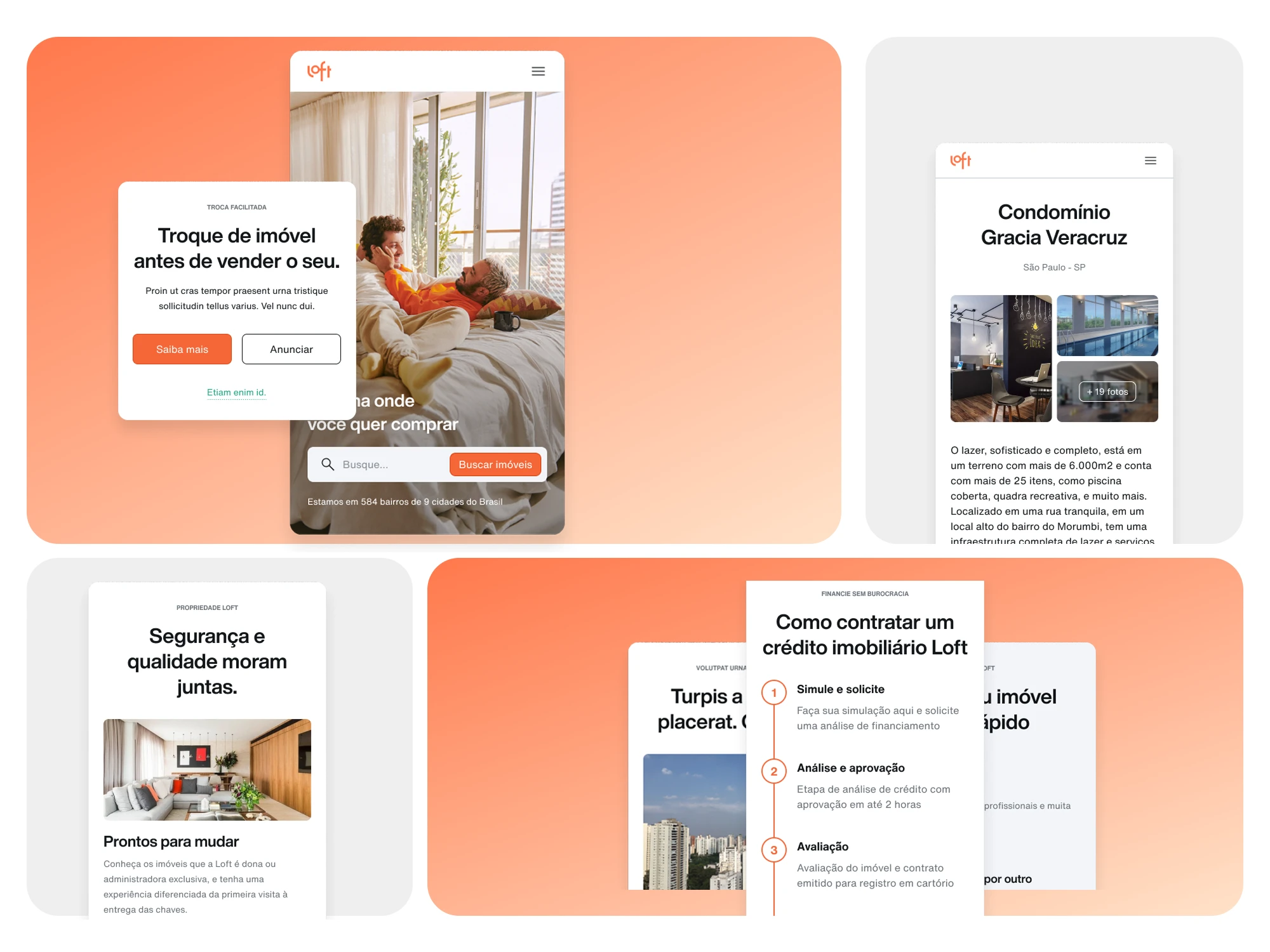
03 / Key learnings
01
Invest early in accessibility
WCAG audits up front saved us from costly rework and gave the system credibility.
02
Governance is a design problem
Governance and contribution models need as much intentional design as the components themselves.
03
Metrics align stakeholders
Adoption rates and metrics became key tools to prove value beyond aesthetics and keep leadership aligned.
04
Culture and tech move together
Cultural change was as critical as technical change, adoption only worked when both advanced in step.
04 / Result
Scale
R$9.7M saved per year in rework and inefficiencies
40% faster feature development cycles
70% drop in design-to-development handoff time
100% WCAG 2.0 compliance across the library
Design consistency up from 40% to 95%
Impact & recognition
85% adoption within six months, from optional to default
Designer onboarding cut from two weeks to three days
40% of new components contributed via a community pipeline
A strategic asset for acquisitions across five brands
Copan in production across Loft’s real estate experiences, on web and mobile.

Copan was more than a library, it sparked a cultural shift in how Loft designed, developed, and scaled products. The system became part of the company’s DNA, co-owned by the people who used it every day.

Next project
Copan: Component Method
← All work
Design System Web Development Brand Identity

Copan: Component Method

A 3-stage methodology to build 72+ accessible, high-quality components for Copan, cutting component delivery time by over 60%, achieving 85% adoption and 100% WCAG compliance across 5 brands.

Client
Loft
Industry
Real Estate
Role
Systems Designer
Duration
1 year
Copan: Component Method
72+
Components
60%
Faster delivery
100%
WCAG 2.0
Overview

As Brazil’s leading proptech, Loft scaled rapidly, serving thousands of real estate agents and processing $400M+ in property transactions. Internally, this growth was mirrored by a design team that expanded from 2 to 40 designers in less than two years, working side-by-side with 42 front-end developers across multiple products.

We had launched Copan as our central design system, but it still lacked the one thing every team needed most: a reliable component library that could be trusted, adopted, and scaled.

01 / Challenge

We weren’t just missing components, we were missing a system for creating them. Despite Copan’s foundations, the existing component library had several core problems, and the previous library had become a cautionary tale: a system that looked good on paper but failed in practice.
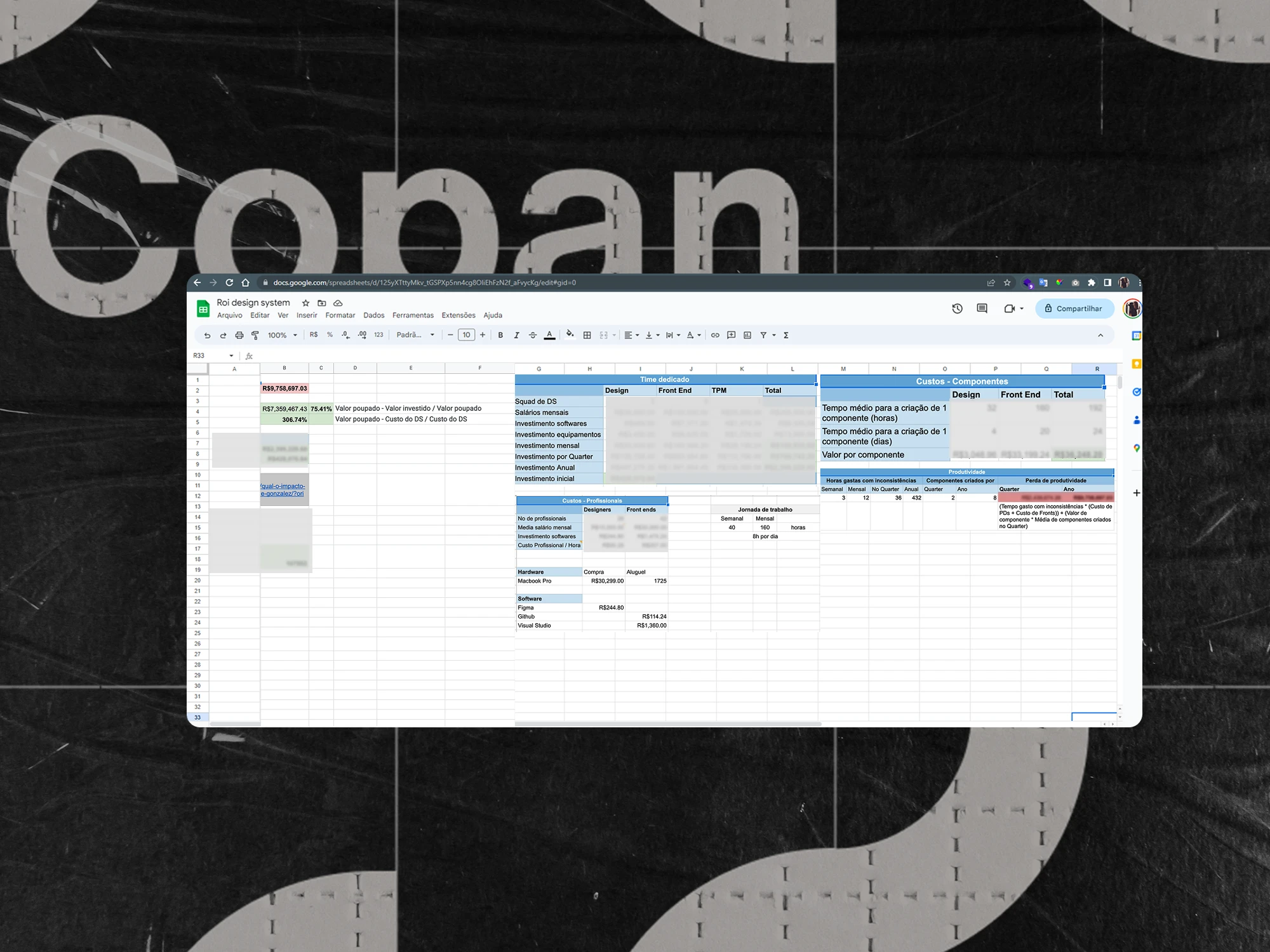
No clear methodology or prioritization for building components
Quality and documentation varied wildly between teams
Accessibility was rarely addressed from the start
Foundational elements like buttons and inputs were inconsistently built
Developers avoided the system and created custom versions; designers detached components, leading to drift
The ROI model quantifying the cost of inconsistency and rework: over R$9.7M projected in 2021 alone.
02 / Solution

I created and led a 3-stage framework for systematic component creation.
1 — Strategic Planning
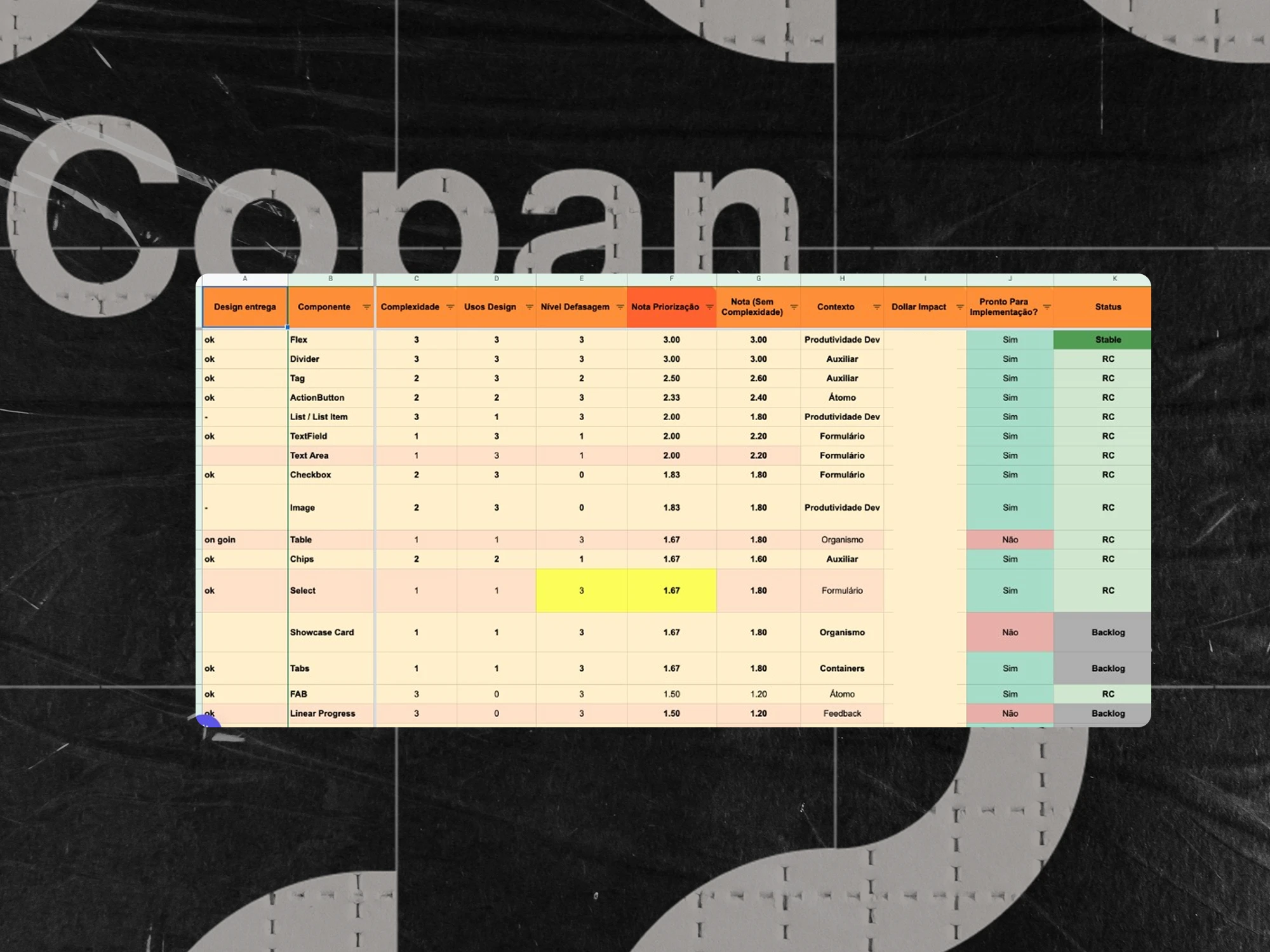
I mapped real component needs using Figma analytics, designer feedback, developer interviews, and roadmap analysis, then built a quantitative prioritization model ranking each component by impact and effort, focusing on high-leverage wins while planning for complex cases.
2 — Systematic Execution
Each component followed a rigorous process: research, design, documentation, validation. I led internal audits, benchmarked top design systems, and embedded accessibility from day one, with a token-first approach, full variant coverage, responsive logic, and detailed dev specs.
3 — Quality-Driven Delivery
We adopted a documentation-first handoff model with phased releases and developer collaboration throughout. Every component passed visual, functional, and accessibility QA, with tracking dashboards and usage audits turning the library into a living system, not a frozen file.
The quantitative prioritization model, ranking each component by impact, complexity, and dollar impact to guide the backlog.
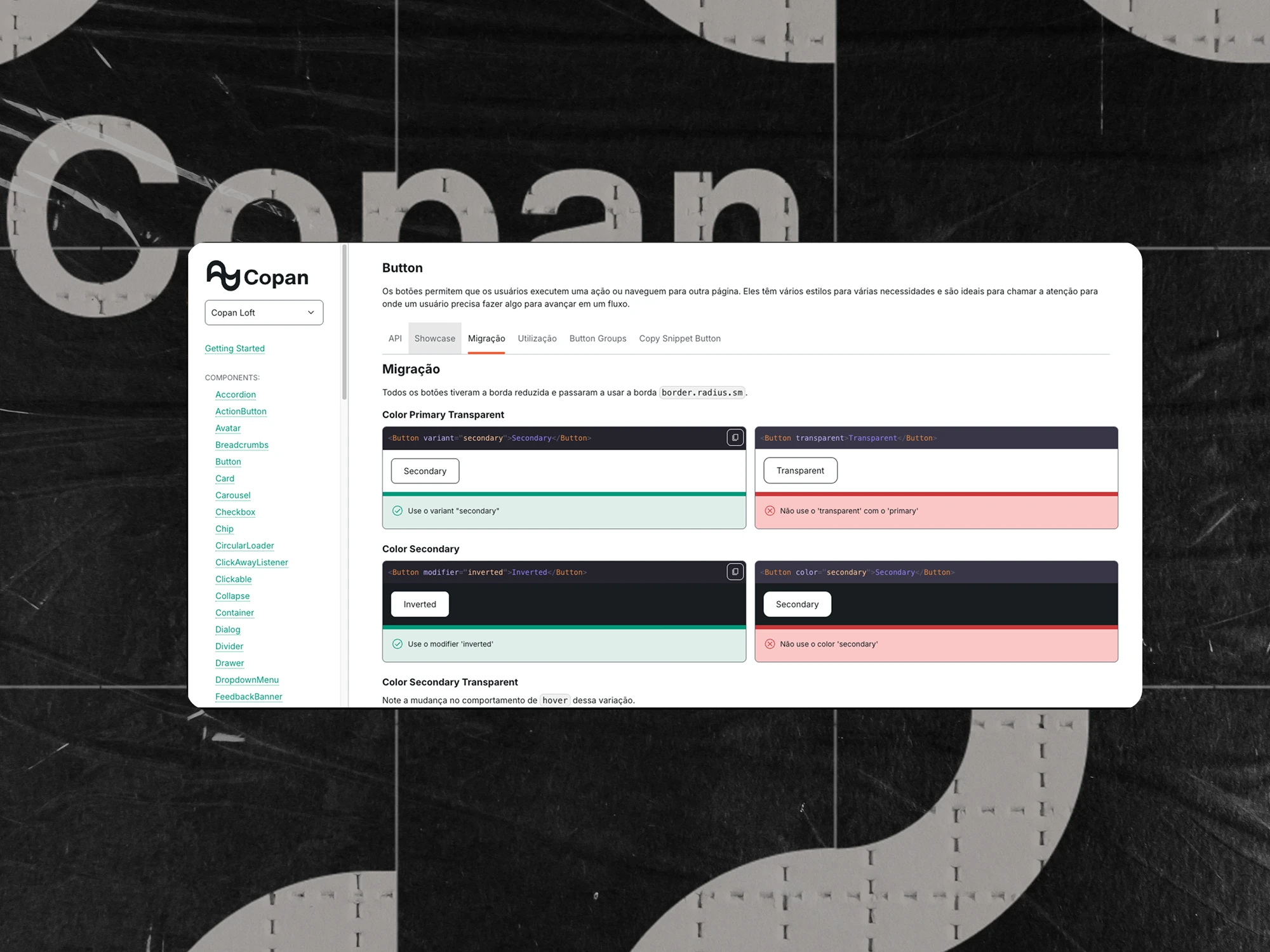
Documentation-first delivery: every component shipped with API, usage, migration, and accessibility specs.
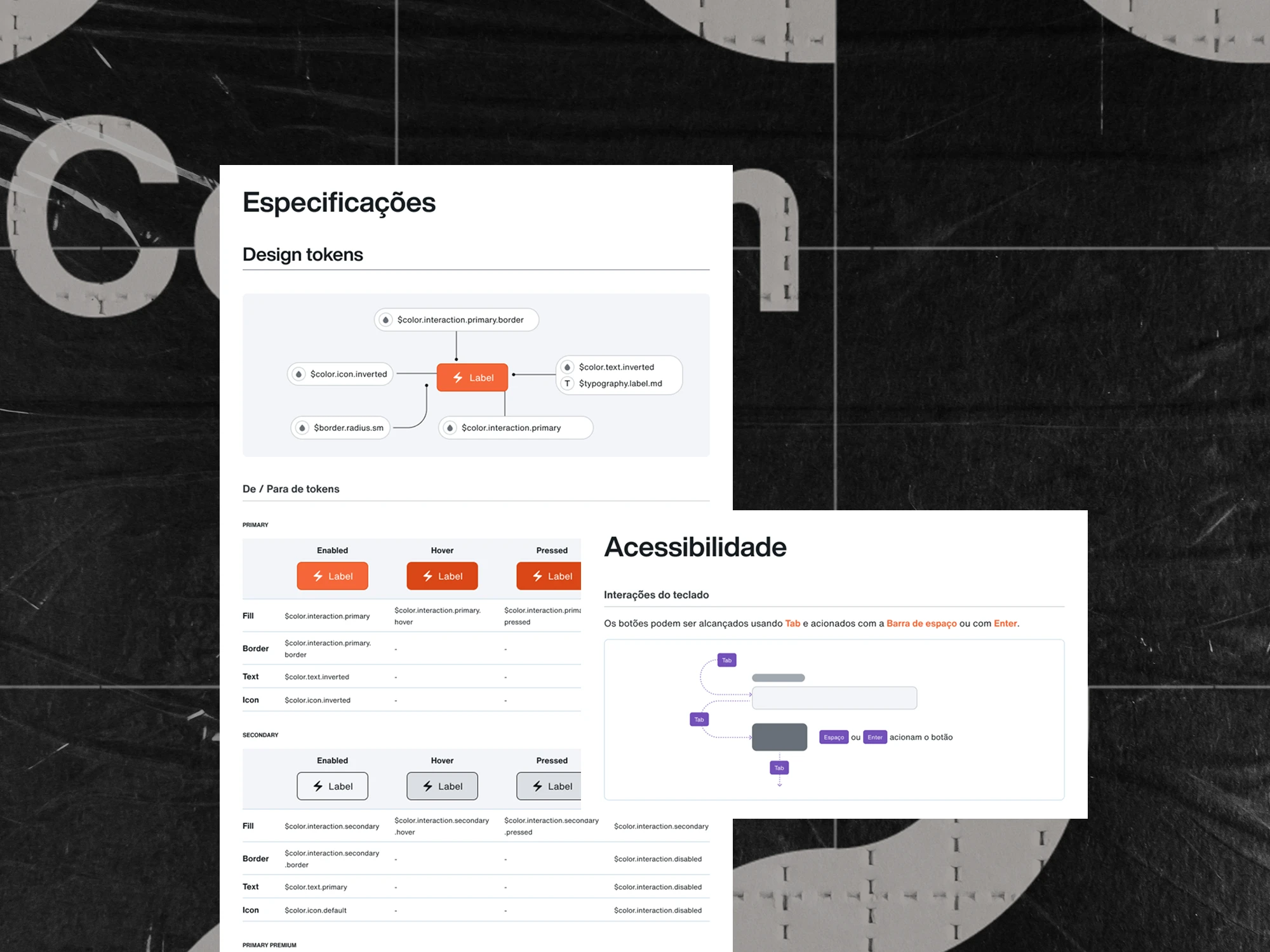
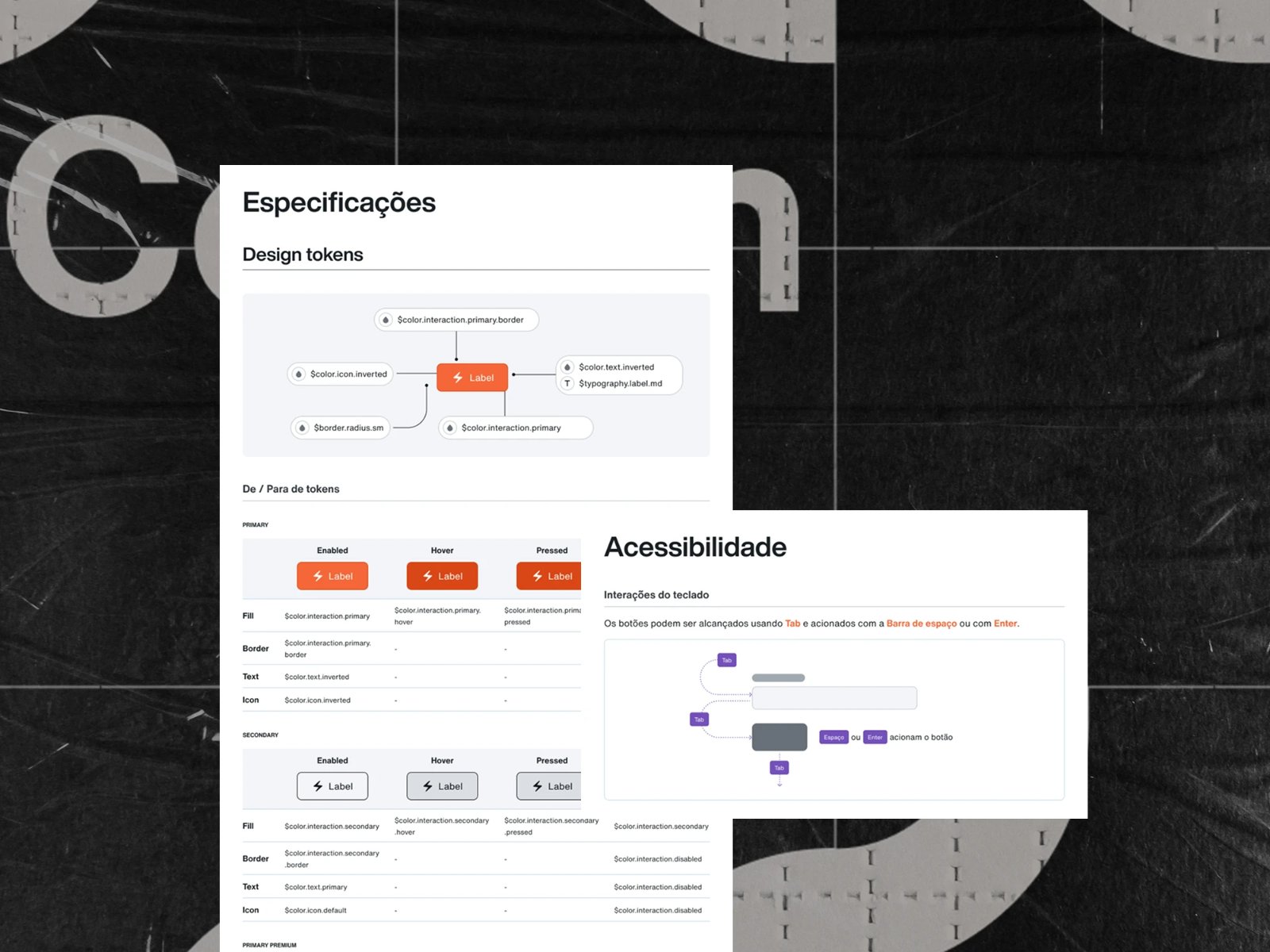
Token-first specs and built-in accessibility, from design tokens to keyboard interaction, documented from day one.
Challenges along the way

Starting small and scaling worked well, but if I could go back, I’d involve QA earlier in the process, the one change that would have removed the most friction late in delivery.

03 / Key learnings
01
Frameworks remove ambiguity
Prioritization frameworks sped up decision-making and gave the team a shared, defensible backlog.
02
Simple QA builds trust
Lightweight QA checklists built trust between design and engineering and reduced friction at handoff.
03
Transparency drives adoption
Being transparent about the methodology increased adoption and reduced resistance across teams.
04
Docs and components co-evolve
Documentation maturity grew in parallel with component maturity, one pushed the other forward.
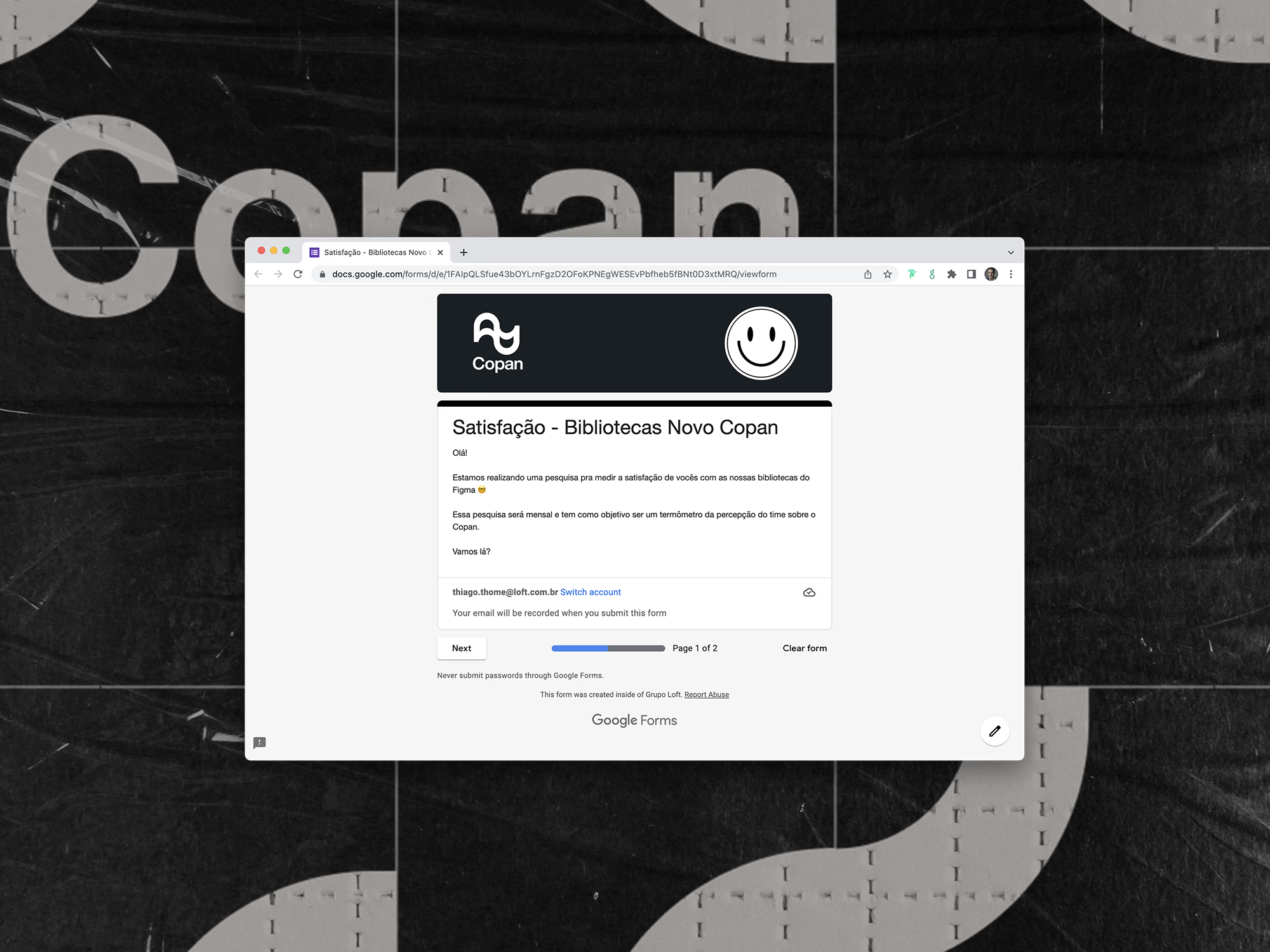
Continuous iteration: a monthly satisfaction survey kept the library a living system with active feedback loops.
04 / Result
Scale
72+ accessible components built on one methodology
Creation time per component cut from 2–3 weeks to 5–7 days
100% WCAG 2.0 compliance, no retroactive fixes
Multi-brand ready from day one, serving five companies
Impact & recognition
85% of squads transitioned to system components
Rework drastically reduced across products
Visual and technical cohesion improved system-wide
Trust rebuilt with product and engineering teams
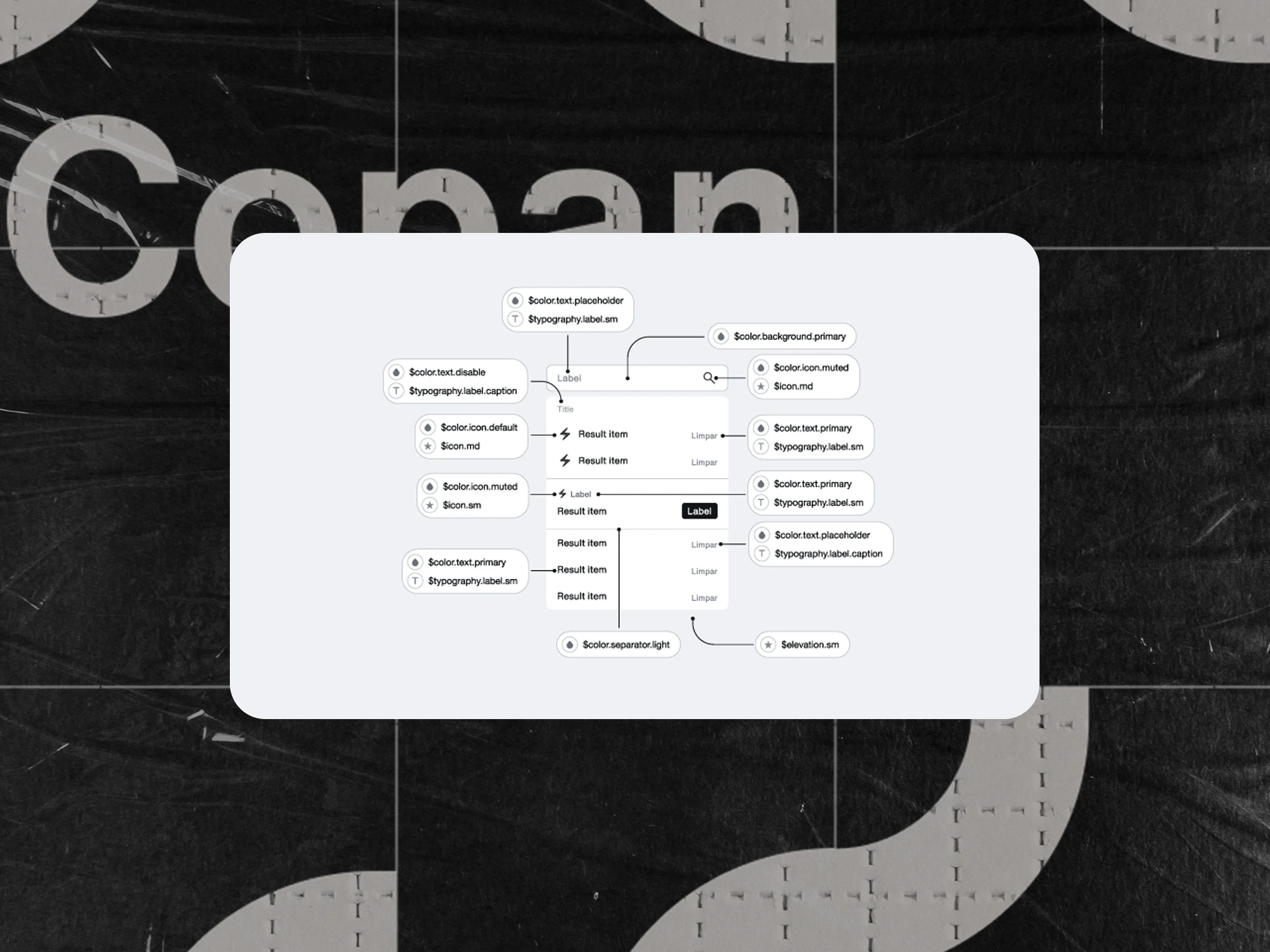
Each component fully mapped to semantic tokens, the backbone that let Copan scale across five brands.

We rebuilt trust with product and engineering, establishing Copan as a living infrastructure, capable of evolving, integrating feedback, and supporting Loft’s rapid growth with quality, speed, and care.

Next project
DesignOps: Sketch → Figma
← All work
Design Operations Change Management Workshop Facilitation

DesignOps: Sketch → Figma

A large-scale tooling migration moving ~450 designers at Itaú from Sketch to Figma, combining user research, a redesigned file and library architecture, license management, training, and a structured rollout that delivered measurable adoption and satisfaction gains.

Client
Itaú
Industry
Banking
Role
DesignOps, Change Mgmt
Duration
3 months, 2020
DesignOps: Sketch → Figma
~450
Designers migrated
90%
CSAT
18
Teams onboarded
Overview

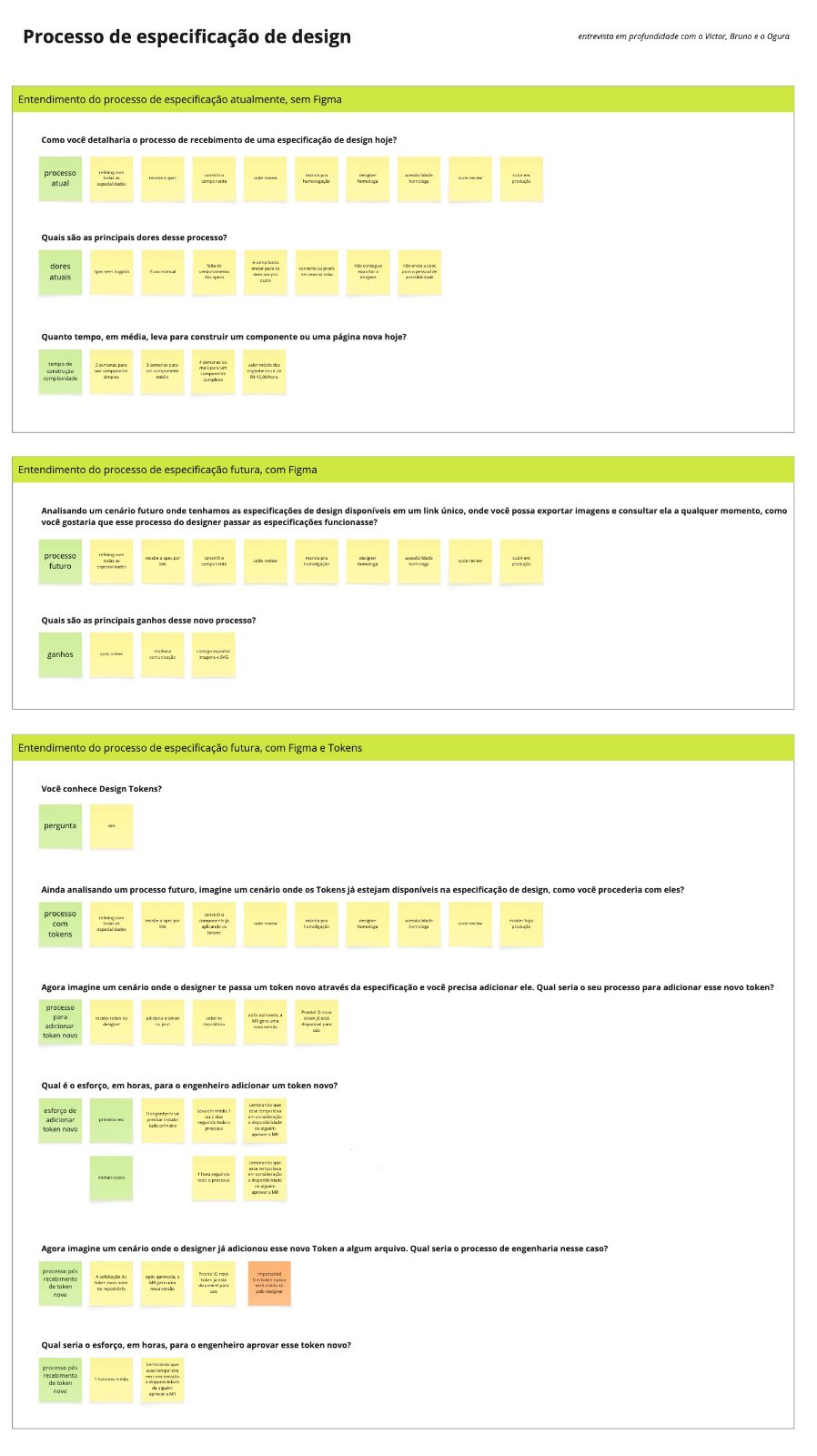
Itaú’s design teams were operating on Sketch, with growing friction around file organization, version control, and collaboration. The design ops team led a structured migration to Figma, not just as a tool swap, but as an opportunity to rethink how design files, libraries, and components were organized across teams.

01 / Challenge

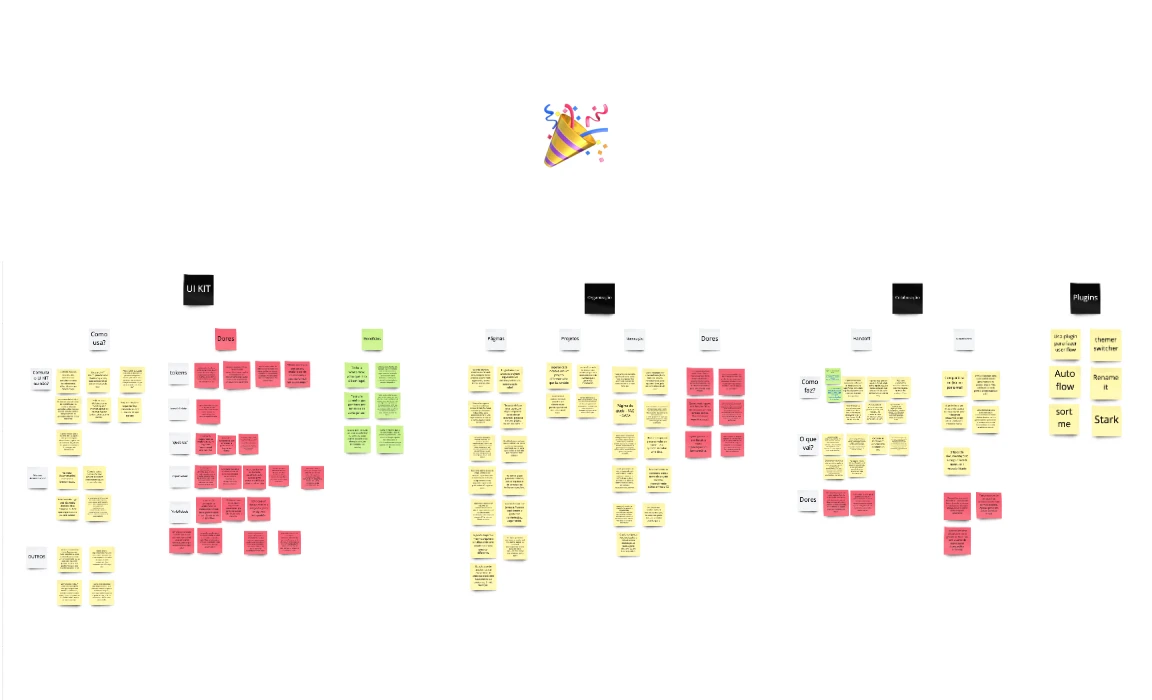
Before the migration, designers faced recurring pain points: disorganized files, inconsistent naming, and difficulty collaborating across teams. Discovery research, interviews and thematic analysis with the design team, surfaced a recurring fear of being left with a disorganized, hard-to-navigate file once a project changed hands or grew in scope. As one designer put it: “I’m afraid of being left in a mess.”
Disorganized files and inconsistent naming
Difficulty collaborating across teams
Fear of inheriting a messy, hard-to-navigate file
Discovery: interviews and thematic analysis surfaced a shared fear of inheriting a disorganized, hard-to-navigate file.
02 / Solution

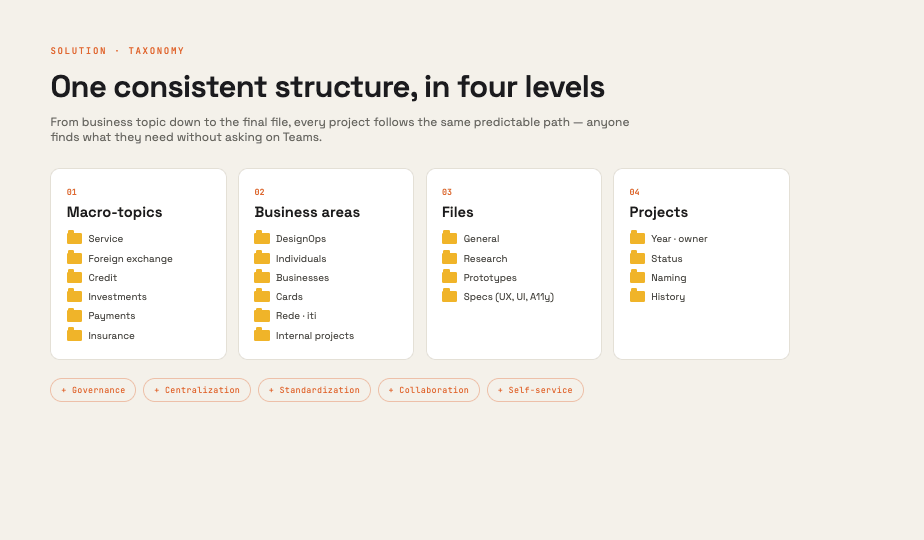
The team designed a new way of organizing design work in Figma.
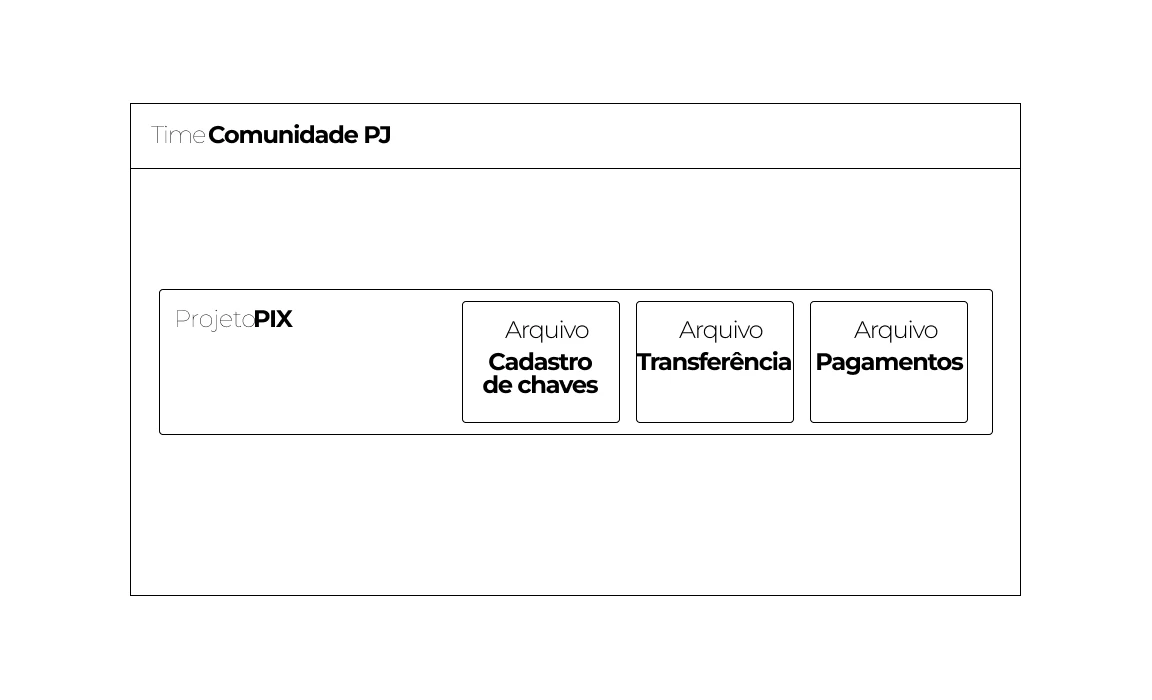
Naming & project structure
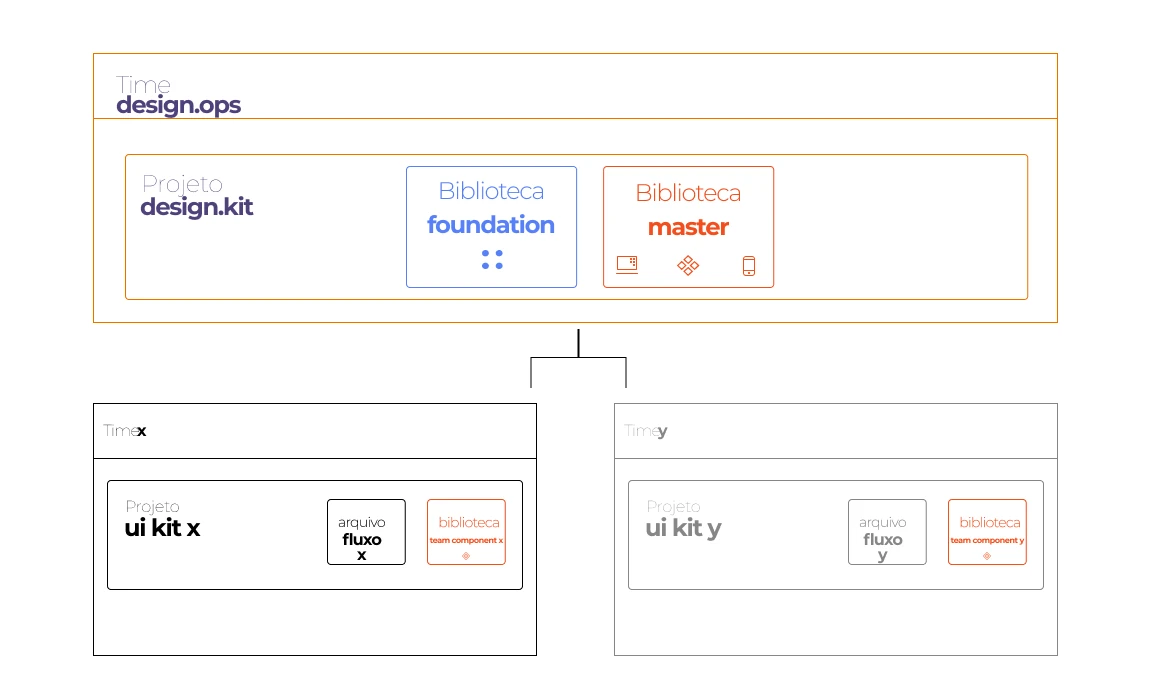
A clear naming convention and project structure for files and teams, illustrated with a real example: the PIX / Comunidade PJ project.
Two-tier library architecture
A Foundation library (core design tokens and styles) and a Master library (components built on top of Foundation), each with documentation and changelogs to track updates over time.
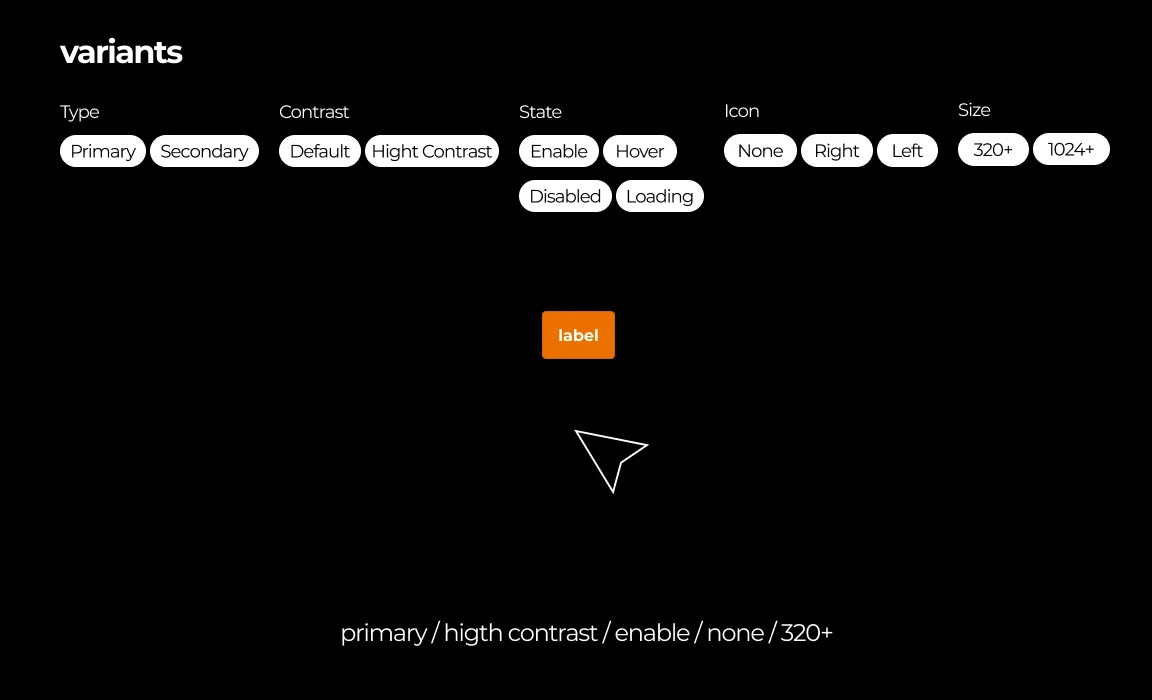
Component variants
A breakdown of component variants, for example the button, to standardize usage across teams.
Pilot with 30 designers
A two-week pilot acted as a thermometer to test file organization, naming, and structure before scaling, with daily support and early access. It surfaced a backlog of legacy Sketch files to migrate gradually over time.
Phased rollout
The team announced the dates each management group would receive access and training, stayed available all month, made clear no question was too basic, and invited experienced designers to help train their teams.
Ambassadors & access
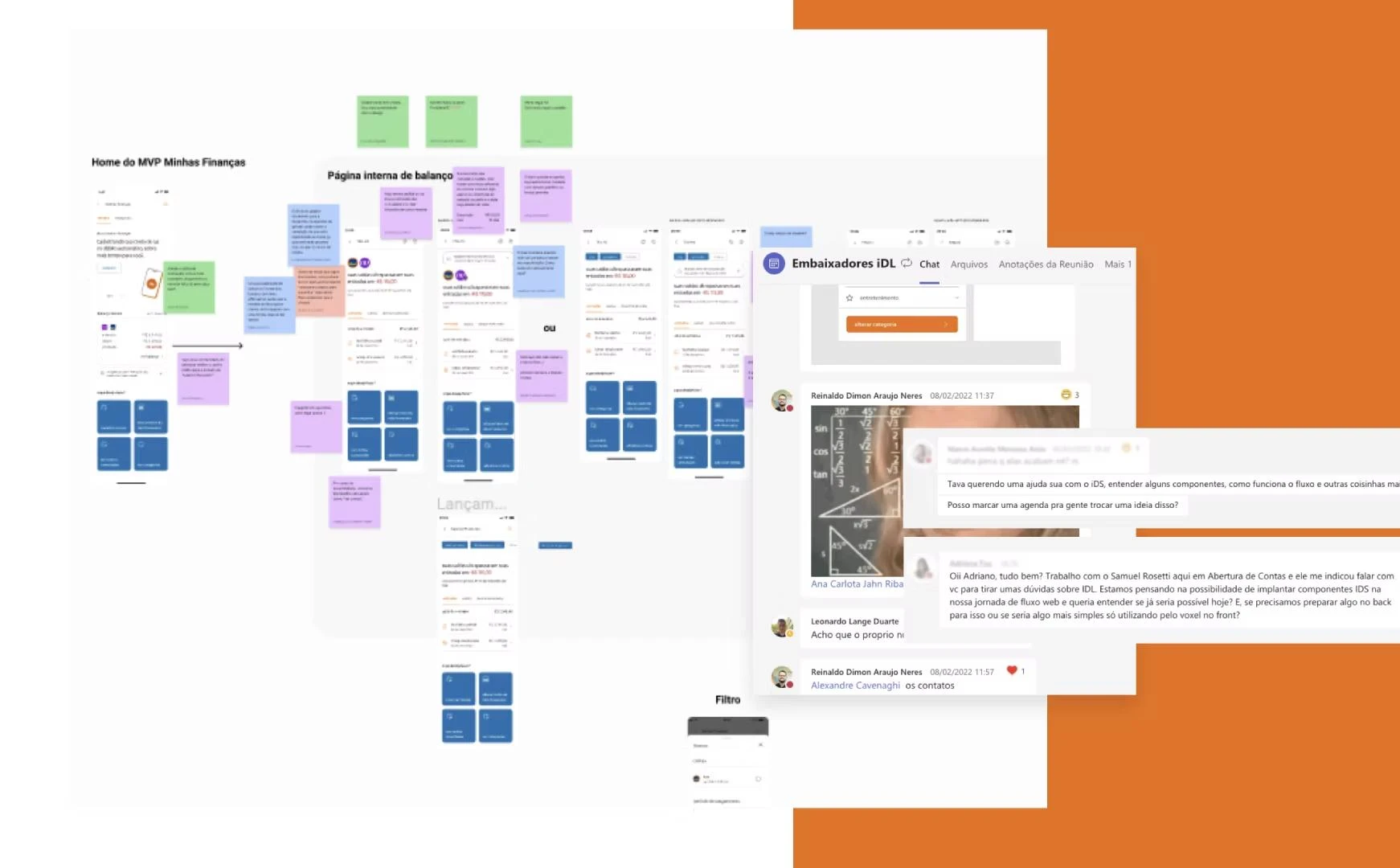
An Embaixadores program gave each team a local point of contact after launch, alongside seat management and a defined view/inspect model for PMs and developers.
A clear naming convention and project structure, shown with the real PIX / Comunidade PJ project.
A two-tier architecture: a Foundation library of tokens and styles, and a Master library of components built on top.
Component variants standardized across teams, here the button with type, contrast, state, icon, and size.
Challenges along the way

The biggest risk was adoption: fear of change could lower both usage and satisfaction, so the rollout leaned on constant, hands-on follow-up rather than one-off training.

03 / Key learnings
01
Resilience, transparency, and flexibility
Navigating a tooling change at this scale depended on staying transparent and flexible as the plan met reality.
02
Follow-up beats training
Training alone did not drive adoption. Constant, hands-on follow-up did: staying available at any time and doing a weekly check-in in each team meeting to ask how things were going and whether they needed help.
03
Ambassadors give teams a local anchor
The Embaixadores program reinforced adoption by giving each team a local point of contact for support after launch.
04
Teaching is also learning
Designers who helped train others had to truly understand the tool to explain it, which reinforced their own knowledge and surfaced gaps along the way.
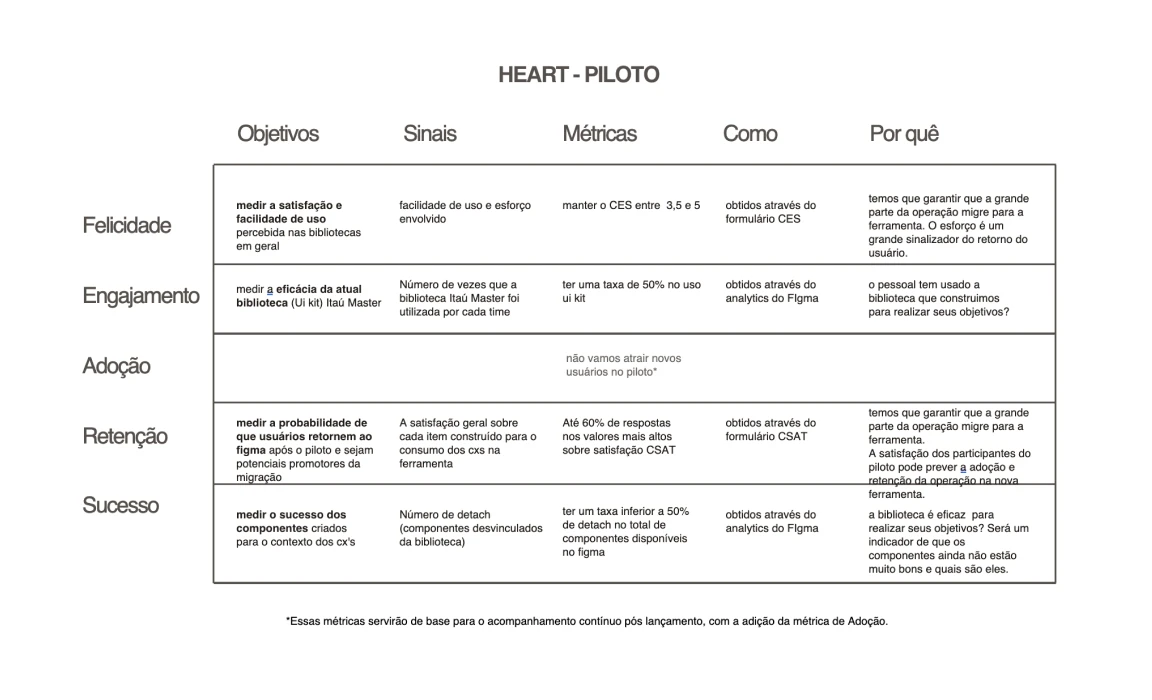
Results were measured with a HEART framework, with a deliberately cautious satisfaction target set up front.
04 / Result
Scale
CSAT: 90% and 100% across two surveyed metrics, against a target of 60%
CES: 4.5, within the 3.5 to 5 target range
~94 components and 366 styles created ~30 days after launch
18 teams using the new structure
430 designers impacted, plus 604 PMs, devs, and other roles
Impact & recognition
CSAT exceeded the 60% target by a wide margin
Content guidelines defined with the content team
Library built WCAG-compliant from the start
Design tokens defined to underpin the library
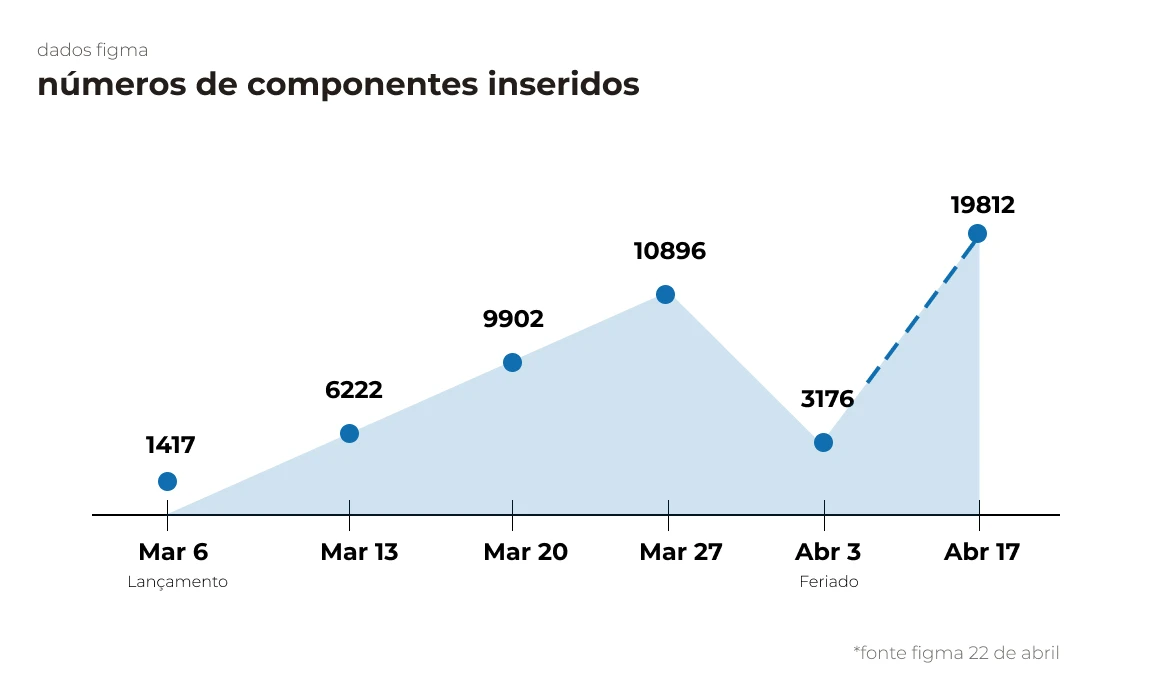
Components inserted in Figma grew steadily in the weeks after launch (source: Figma, Apr 22).

We set a cautious satisfaction target, expecting fear of change to drag adoption down. Showing up every week, answering every question, and letting designers teach each other turned a tool swap into a culture shift.

Next project
PDI: Developing People at Scale
← All work
People Development Design Ops Career Development

PDI: Developing People at Scale

An individual development program built together with managers, starting from mapping the design team’s roles and processes to identify skill gaps and guide the growth of around 400 people.

Client
Itaú Unibanco
Industry
Banking
Role
People Dev, DesignOps
Duration
2020-2023
PDI: Developing People at Scale
~400
People developed
8
Process stages
3
Rollout phases
Overview

Itaú’s design team had been growing across different squads and disciplines, without a structured way to understand who did what at each stage of the process, or where the skill gaps were within each team. As a Product Designer, I designed, together with managers, the tool that mapped this process and, from it, the PDI (Individual Development Plan) program that helped the team grow in a more balanced way, starting as a pilot with the Design Ops team and scaling up to around 400 people.

01 / Challenge

The core challenge was understanding the team’s structure as a whole before trying to develop people individually, and doing it in a way that helped managers make better decisions, not just analysts.
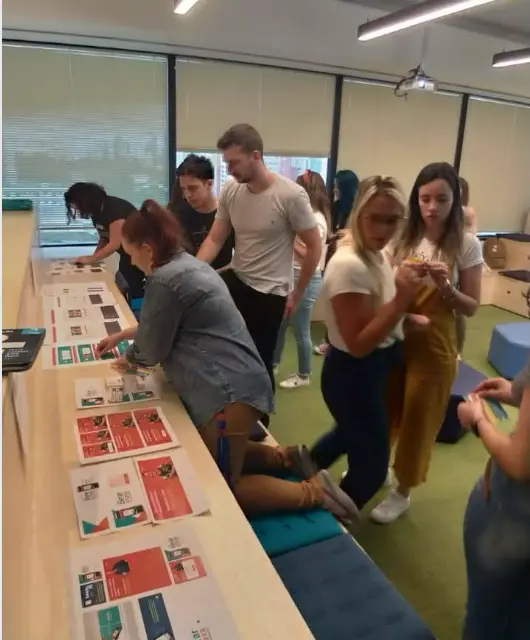
Mapping roles, responsibilities, and estimated time at each stage of the design process
Identifying skill gaps and imbalances within each squad
Giving managers an objective criterion for guild and course decisions
Connecting individual development to the company’s education budget
Validating the approach with a small team before scaling
Mapping the team as a system: working sessions with managers to understand roles and process before developing people.
02 / Solution

The approach relied on three connected layers.
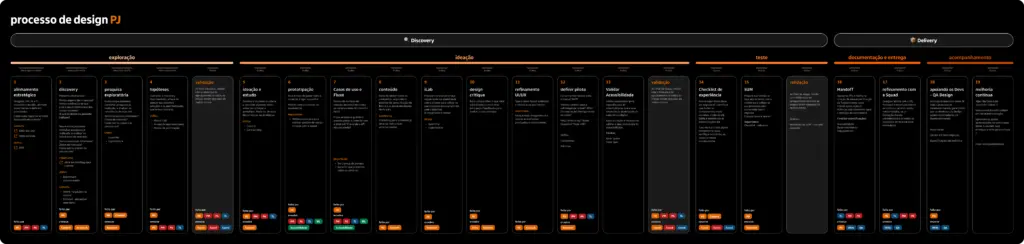
Process and Role Mapping
Built with managers, mapping each stage of the design process: objective, owner, people involved, and estimated time. This revealed where role overlaps and skill imbalances existed within each squad, the foundation for everything that followed.
Soft Skills Map & Peer Comparison
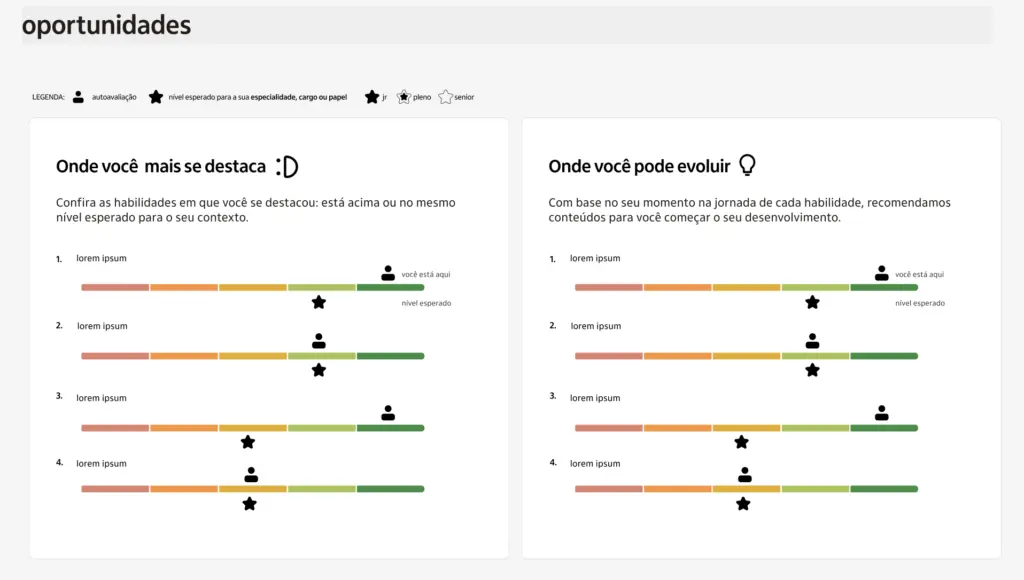
A soft skills map to assess each analyst on the competencies relevant to their role and seniority, separate from the official performance review. Each analyst was then compared to their peer group, giving a broader view of where they stood relative to the team.
Goals & Scalable Pilot
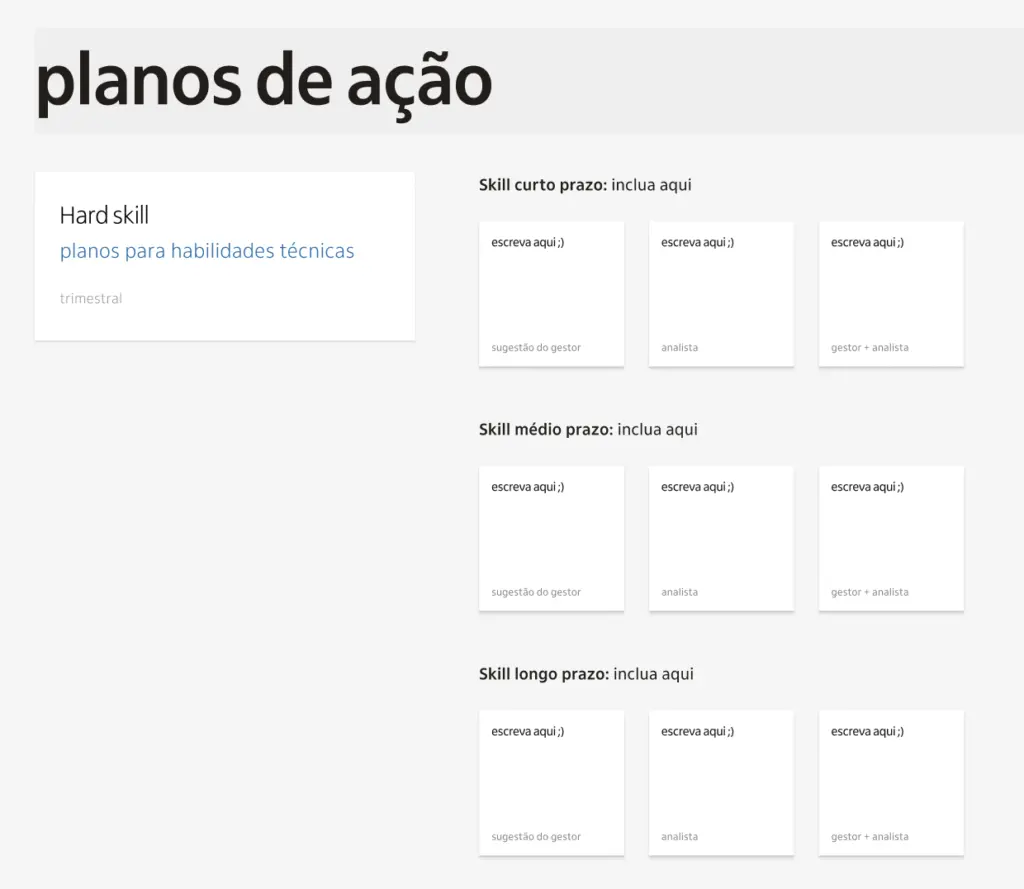
Based on the gaps identified, we set development goals across short, medium, and long-term horizons, combining the analyst’s interest with the team’s need. The program started as a pilot with Design Ops, moved through the PJ team, and once validated, scaled to the rest of design.
Mapping each stage of the design process with managers: objective, owner, people involved, and estimated time.
A soft skills map assessing each analyst against the competencies for their role and seniority, then compared to their peer group.
Development goals across short, medium, and long-term horizons, balancing the analyst’s interest with the team’s need.
Challenges along the way

The bank’s own performance evaluation was an obstacle: it was based on deliverables and peer relationships, and its criteria didn’t necessarily cover design growth, design system usage, for example, had to be added as a criterion. Because the official review ran separately, we talked directly with managers to understand if and how these new criteria could feed their evaluations.
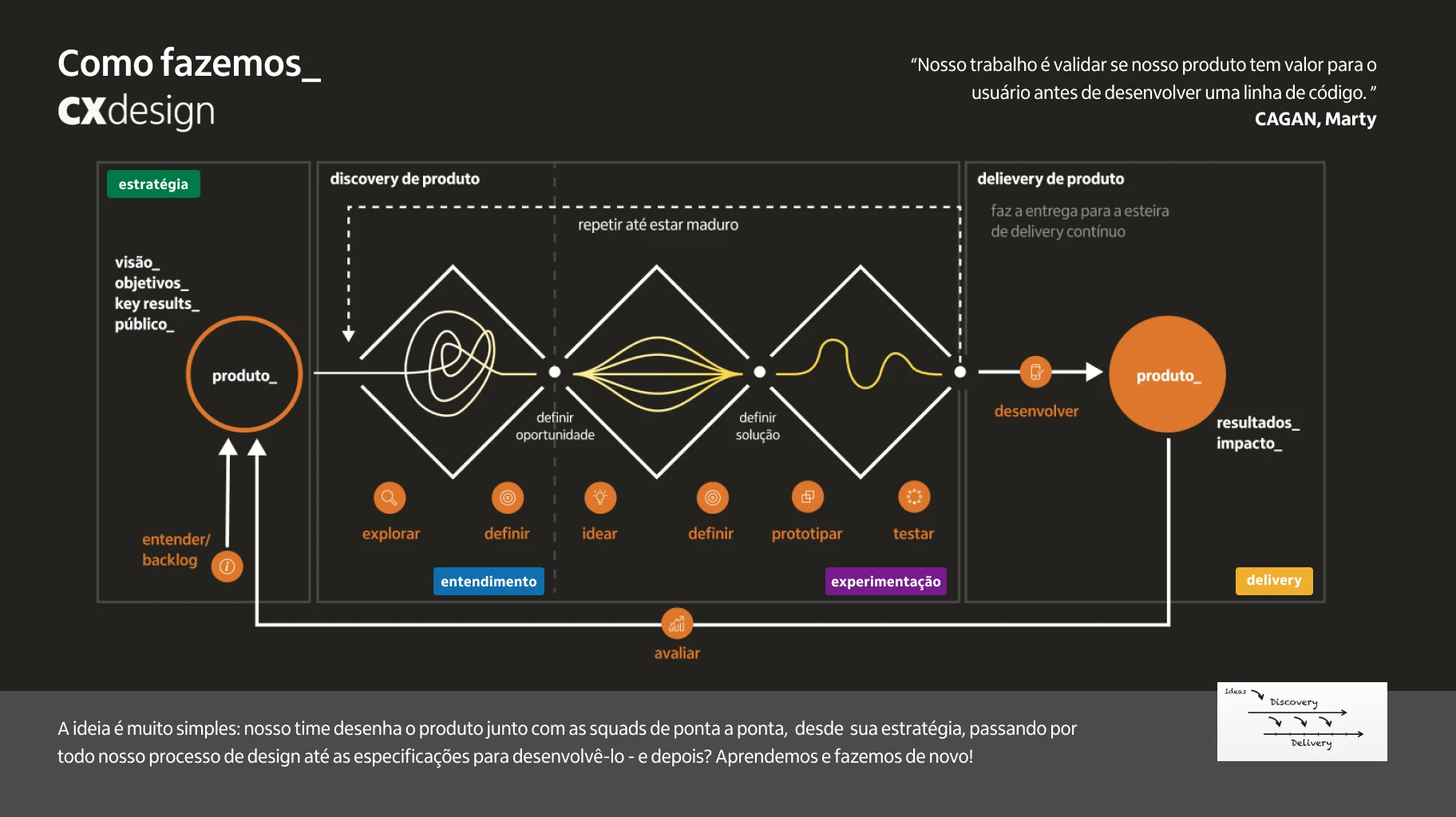

The end-to-end design process the mapping was built on, from strategy through discovery, experimentation, and delivery.
03 / Key learnings
01
Map the process before mapping people
Understanding the team as a system, not just individuals, makes individual development more connected to the squad’s reality.
02
Peer comparison builds confidence, not just pressure
Showing an analyst where they stand relative to their seniority group calibrates expectations and reduces anxiety about their own development.
03
Guild and course decisions improve with data
Managers gained an objective criterion for recommending guilds and courses, instead of decisions based solely on intuition or the analyst’s preference.
04
Validate small before scaling
Testing the model with Design Ops and then PJ, before rolling it out to the rest of the team, let the approach be adjusted at a lower cost of error.
The mapping spanned disciplines, design, content, motion, and research, each with its own documented process.
04 / Result
Scale
Program ran with around 400 people
Pilot started with Design Ops, expanded to PJ, then the rest of design
Mapping covering 8 stages of the design process
Impact & recognition
A more balanced team, with skill gaps identified and addressed intentionally
Education budget used in a more targeted way
Managers equipped with a concrete tool for development conversations

The program taught me that individual development doesn’t work in isolation from team design: mapping the process and roles first is what makes the PDI relevant to both the person and the squad.

Next project
Rede: Payment Anticipation
← All work
Digital Design UX Research Conversion Design

Rede: Payment Anticipation

A redesign of Rede’s payment-anticipation web portal, simplifying a complex financial flow for small business owners, reducing 76 system errors to 6 clear categories, and positioning Rede as a more accessible alternative in the Brazilian market.

Client
Itaú Unibanco — Rede
Industry
Payments
Role
Product Designer
Duration
2018-2019
Rede: Payment Anticipation
76→6
Error categories
4
Step flow
15h45
Cut-off clarity
Overview

Rede is Itaú Unibanco’s payment network, serving merchants and small businesses across Brazil. Their payment anticipation product lets merchants receive credit-card sales revenue ahead of schedule, a critical tool for managing cash flow and investing in stock.

The product existed, but the experience was fragmented, technically complex, and riddled with cryptic system errors that left merchants confused at the worst possible moment: right before confirming a financial transaction.

01 / Challenge

The business goal was clear: offer better rates than Cielo, the dominant competitor, and convert more merchants to Rede’s anticipation product. But a competitive rate alone wasn’t enough. Field research revealed that merchants abandoned the flow not because of price, but because of friction and confusion.

76 distinct system error states, many technical and incomprehensible to non-technical users
No clear communication of cut-off times, eligibility conditions, or fee logic
Merchants needed to make fast, confident financial decisions, and the UX wasn’t supporting that
The product had to work for everyone, from large retailers to small shop owners in city markets
02 / Solution

In-person interviews with merchants in downtown São Paulo surfaced a key insight: most weren’t anticipating payments to cover emergencies, they were using it proactively to buy more stock and grow. That reframed the problem: the flow had to feel like a business tool, not a bank transaction. The redesign focused on three principles: clarity, confidence, and speed.
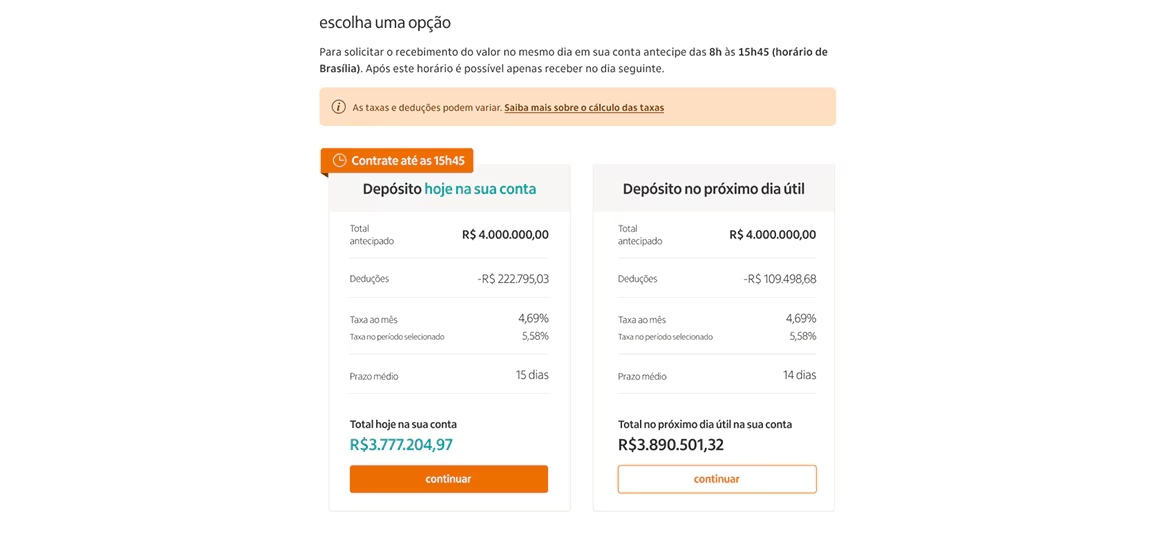
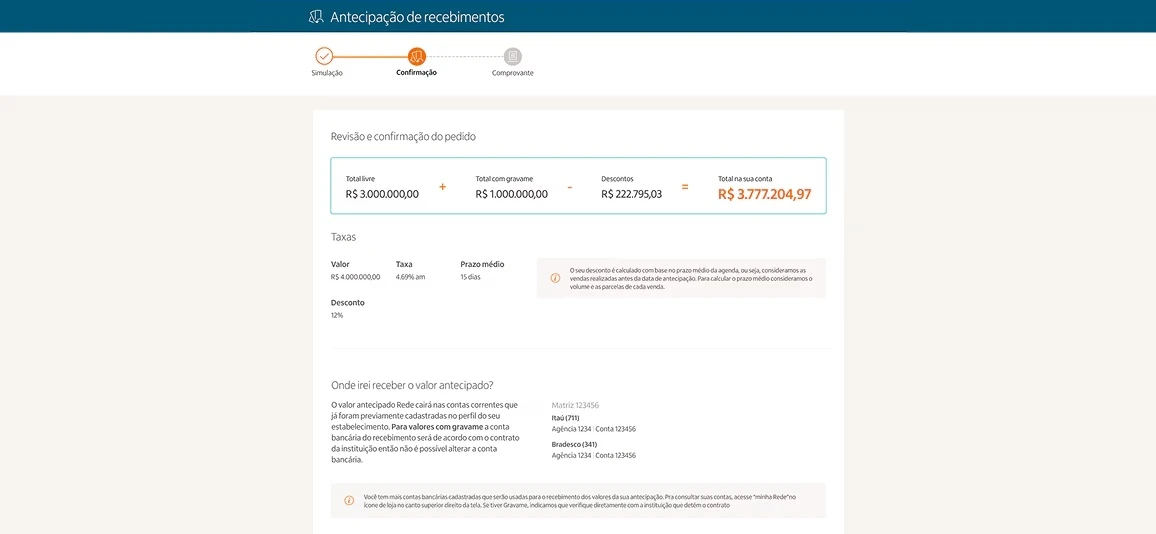
Error reduction
76 error states were audited and categorized into 6 meaningful groups: time-based, date-based, bank holidays, eligibility, technical failures, and value constraints. Each received plain-language messaging that told merchants not just what went wrong, but what to do next.
Simplified 4-step flow
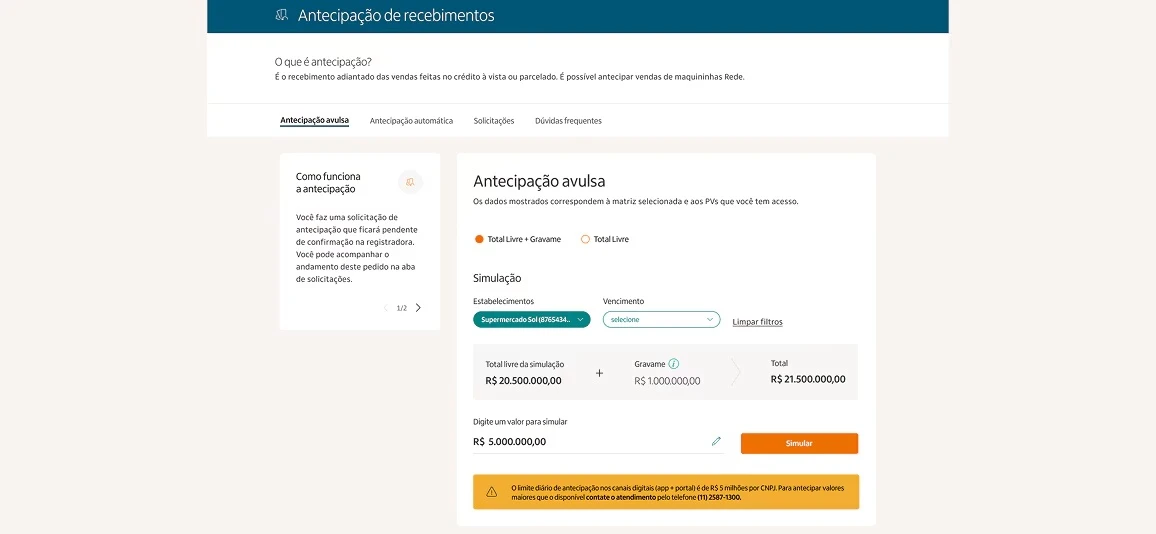
The journey was restructured into a clear, linear process: 1) enter the amount, 2) review conditions and rates, 3) confirm details and bank account, 4) done, with clear communication of when the money arrives.
Time & eligibility transparency
Cut-off times (15h45 for same-day, 18h50 for next business day) were surfaced clearly at each relevant step, removing uncertainty from a time-sensitive decision.
Step 2 — Review conditions and rates: a clear comparison between same-day and next-business-day deposit, with cut-off times surfaced up front.
Step 3 — Confirm the transaction: a plain-language breakdown of value, fees, and the destination bank account.
Challenges along the way

The hardest part wasn’t simplifying the screens, it was earning trust at the exact moment a merchant commits real money. Every removed doubt had to translate into confidence to confirm.
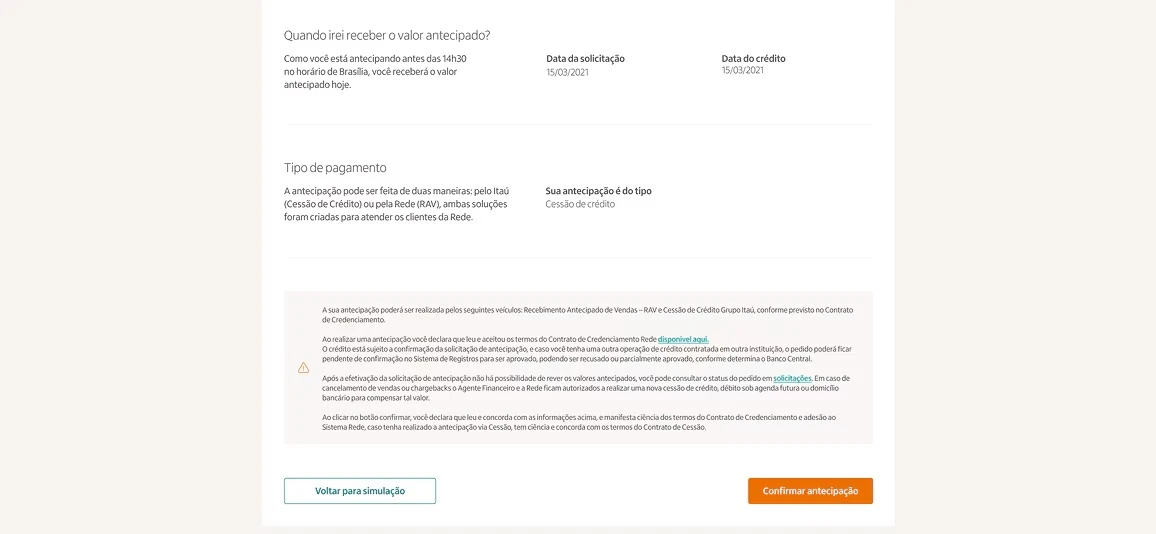
03 / Key learnings
01
Trust beats features
Merchants had the same product before the redesign. What changed was how much they could understand and trust it.
02
Errors are part of the UX
76 errors weren’t a technical problem, they were a communication problem. Categorizing them by user-facing cause turned abandonment into a recovery moment.
03
Field research changes the frame
Going into the field revealed the real use case wasn’t emergency cash flow, it was business growth, which changed the entire design direction.
04
Speed and confidence are one
For a merchant anticipating R$10,000 in five minutes, clarity is velocity. Every removed doubt is a step closer to conversion.
04 / Result
Scale
76 error states reduced to 6 clear, actionable categories
A simplified 4-step flow replacing a fragmented experience
Competitive positioning against Cielo through UX clarity, not just pricing
Field research validated anticipation as a growth tool, shaping tone and messaging
Impact & recognition
Plain-language error recovery at the point of decision
Cut-off times surfaced at every relevant step
A flow that feels like a business tool, not a bank form
A more accessible alternative in the Brazilian market
Step 4 — Done: clear communication of exactly when the money will arrive, based on request time.

The redesign proved that in financial products, clarity is conversion. By treating error states and timing as core experience, not edge cases, Rede turned a confusing flow into a confident one.

Next project
Design Education at Loft
← All work
Design Ops Digital Design

Design Education at Loft

At Loft, educating designers isn’t just about teaching tools or workflows, it’s about empowering people to become agents of creative change in a complex and fast-paced environment.

Client
Loft
Industry
Real Estate
Role
DesignOps
Duration
6 weeks
DesignOps
Teaching designers not just to use the system, but to evolve it.
2wk→3-5d
Onboarding time
5-part
Learning strategy
Overview

As our design team scaled rapidly, many newcomers joined without prior experience using Figma libraries or working with design systems. This created a steep learning curve and considerable friction in day-to-day design work, affecting both the quality of the output and team collaboration.

01 / Challenge

We were facing clear challenges that impacted design quality, slowed delivery, and created a barrier to confidence and collaboration, especially for junior team members.

Inconsistent use of components across teams
Lack of familiarity with system logic
Delays in design-to-dev handoffs
No structured way for designers to contribute back to the system
02 / Solution

We developed a five-part education strategy, structured around the real journey of a designer, from onboarding to autonomy, and eventually contribution. We treated education like a product: tracked adoption, monitored recurring questions, and iterated based on feedback.

Audit & map gaps
We began by auditing Figma files and conducting interviews to map knowledge gaps across roles and experience levels.
Modular learning paths
We created learning paths based on role and experience, with targeted sessions on Figma foundations, token logic, accessibility, and governance.
Workshops & mentorship
We hosted hands-on workshops on real design system tasks and launched a peer mentorship program for every new joiner.
Continuous feedback loops
We set up continuous feedback loops with clear success metrics, a living, evolving framework rather than a static onboarding checklist.
Challenges along the way

Designers weren’t just learning how to use the system, they were gaining the confidence to evolve it, which meant the program had to keep pace with the system itself.

03 / Key learnings
01
Multiple formats reach everyone
Teaching design systems required mentorship, docs, and audits together to reach different learning styles.
02
Track time, not just adoption
Tracking onboarding time revealed ROI beyond adoption numbers and showed the system’s impact on people.
03
Context beats guidelines
Contextual, practical examples always landed better than abstract guidelines.
04
Lead by enabling ownership
Leading meant enabling others to own the system instead of centralizing control. Next time, I’d involve developers earlier in training.
04 / Result
Scale
Onboarding time cut from two weeks to three-to-five days
Significant increase in Copan adoption across products
Junior designers reporting greater autonomy and even teaching others
A culture of contribution emerging organically
Impact & recognition
Designers documenting new variants on their own
Improvements proposed beyond individual squads
More consistent, scalable outputs across products
A tactical effort that became a cultural shift

What started as a tactical alignment effort became a broader cultural shift, one that fostered ownership, collaboration, and growth. Educating designers, it turned out, was really about empowering them to change how the team works.

Next project
Loft: Bridging Design & Dev
← All work
UI / UX Design Design Ops

Loft: Bridging Design & Dev

A lean and scalable handoff framework created to reduce friction between design and development at scale, a shared structure, naming conventions, and documentation standards that improved clarity, reduced rework, and helped designers, developers, and PMs collaborate across platforms and squads.

Client
Loft
Industry
Real Estate
Role
UI/UX · DesignOps
Duration
4 weeks
DesignOps
Handoff is not a handover. It’s an ongoing conversation that builds trust.
~18h
Saved per sprint
0
New tools added
Overview

Despite having a mature design system in place, our teams at Loft still faced recurring misalignments during handoff. Files were scattered, specs were inconsistent, and communication often relied on back-and-forth chats, slowing sprints, causing costly rework, and creating frustration across roles.

I identified these gaps across multiple projects and led the development of a lightweight, human-centered framework to improve our design-to-development workflow without adding process overhead.

01 / Challenge

Designers, developers, and PMs each experienced a different set of problems during handoff, which together created a loss of trust, wasted time (~18 hours per sprint), and bottlenecks that scaled with team growth.

Designers struggled with version control, scattered folders, and inconsistent naming
New joiners lacked clarity on where to find files or how to prepare specs
Developers often implemented outdated designs or incomplete specs, leading to rework
PMs had limited visibility into design progress or decisions, making prioritization harder
02 / Solution

We designed a lightweight, minimum-viable handoff framework based on real team needs. Rather than introducing new tools, we embedded better practices into the tools people were already using.

Shared structure & naming
A shared folder structure across squads and platforms, with naming conventions that reflected platform, date, version, and status.
Standardized Figma handoff page
A single page with core specs, token references, edge cases, accessibility annotations, and links to previous versions.
Visual changelogs & PM summaries
Visual changelogs for mid-sprint updates, plus lightweight summaries for PMs to scan flows, key metrics, and referenced components.
Async Slack channels
Dedicated channels for async communication and Q&A, reducing scattered clarifications across multiple tools.
Challenges along the way

The hardest part wasn’t the artifacts, it was getting three roles with different pain points to adopt one shared language without feeling slowed down.

03 / Key learnings
01
Handoff is about people
It isn’t really about Figma files or specs, it’s about people building a shared language.
02
Lightweight always won
Heavy processes never stuck; what worked were lightweight frameworks that respected everyone’s time.
03
Align earlier
Starting alignment earlier made a huge difference: fewer surprises, fewer hours wasted on rework.
04
Short, visual, embedded
Documentation only became useful when it was short, visual, and embedded into our daily tools.
04 / Result
Scale
Designers always knew where to find the latest file versions
Onboarding new team members became faster and more intuitive
Developers received clear specs and context, minimizing rework
PMs gained visibility into status and could align priorities with confidence
Impact & recognition
Internal reviews became more focused and effective
Cross-discipline collaboration improved significantly
Fewer last-minute syncs and clarifications
A culture of shared ownership around handoff

More than an operational fix, this system fostered a culture of shared ownership, where design handoff was no longer an afterthought but a structured, collaborative phase of the product process.

Next project
Itaú Design Language
Scale Design
made in Brazil style
Let's work together Get in touch →
Drag the tokens · click to add more
A little Brazilian joy, included
adriana